Explosions heard all over Iran as US strikes ...... Welcome to Glintnews......

Enugu Political Earthquake: APC House of Reps Aspirant Accused of Plot to Penetrate NDC as ‘City Boys Financier’ Controversy Deepens
Fresh political controversy is shaking the foundations of the Nigeria Democratic Congress (NDC) as allegations of infiltration, hidden loyalties, and political double-dealing dominate discussions across political circles in Enugu State.
The controversy centers on Nelson Maduka Arum, popularly known as “Mama,” whose recent political activities within the NDC have sparked suspicion among party stakeholders and members of the Obi-Kwankwaso (OK) Movement. Concerned voices within the movement now claim that the politician may be acting as a strategic “mole” allegedly sent to infiltrate the party on behalf of the ruling All Progressives Congress.

Although these allegations remain unverified and no official evidence has been publicly presented to support them, the accusations have rapidly evolved into one of the most contentious political discussions currently unfolding in Enugu.
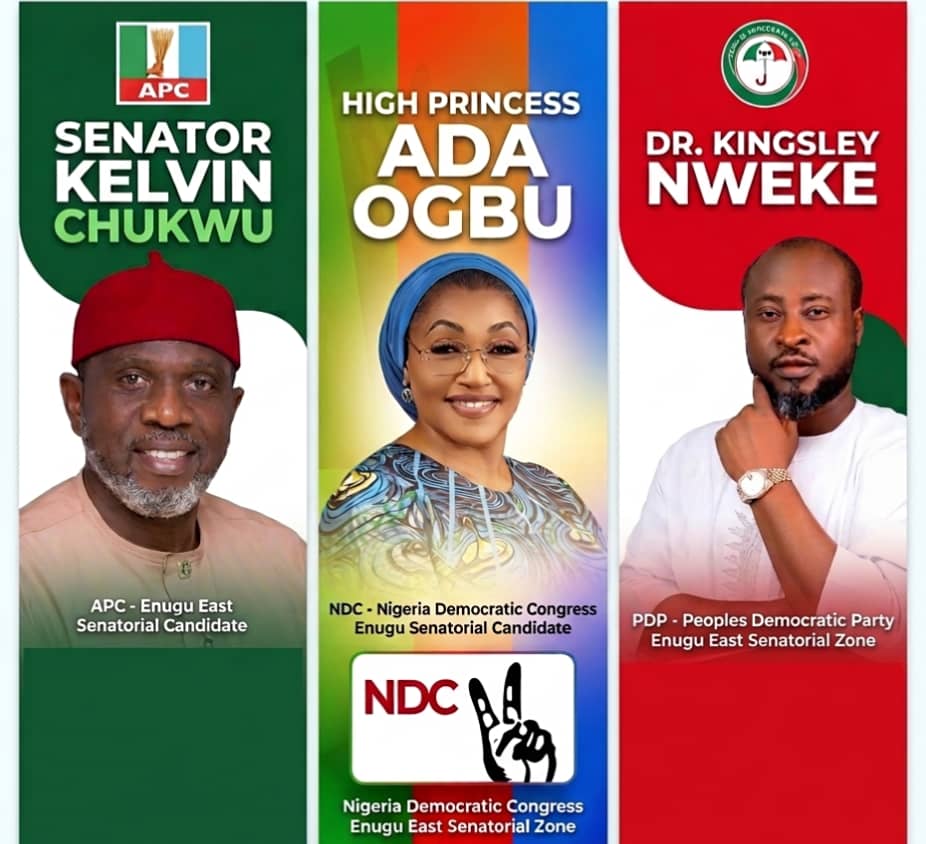
The alarm reportedly began after campaign posters surfaced online projecting Nelson Maduka Arum as an aspirant for the Senate seat representing the Enugu East Senatorial Zone under the platform of NDC.
However, according to sources said to be close to the party’s national structure in Abuja, there were conflicting reports surrounding the exact office he intended to contest. While social media materials projected a senatorial ambition, insiders allegedly claimed he was simultaneously pushing for a House of Representatives ticket under the same political platform.
The apparent contradiction triggered immediate concern among party faithful and political observers.
But beyond questions over office ambition, critics insist a deeper issue is at stake: political identity and loyalty.
Concerned members of NDC and supporters of the Obi-Kwankwaso movement argue that Nelson Maduka Arum is not a newcomer to the political scene. According to them, he previously contested as a House of Representatives aspirant under the APC structure and was actively involved in the ruling party’s political activities.
Critics further allege that despite his growing visibility around NDC activities, there has been no publicly known formal resignation or clear political disengagement from APC structures.
For many stakeholders, that issue has become central to the controversy.
Party members raising concern argue that individuals seeking sensitive political positions within a movement claiming reform and change should openly clarify their political affiliations and intentions.
The controversy intensified further following claims from political stakeholders that Nelson Maduka Arum has allegedly remained one of the financiers and active supporters of the City Boys political movement — a structure widely recognized for mobilizing support for President Bola Ahmed Tinubu and promoting the agenda of the current administration.
Critics argue that such reported involvement raises difficult political questions.
“How does someone associated with structures promoting President Tinubu suddenly emerge under a platform connected with the Obi-Kwankwaso political movement?” one concerned stakeholder reportedly questioned.
Others insist that the issue goes beyond personal ambition and touches on broader fears of strategic infiltration.
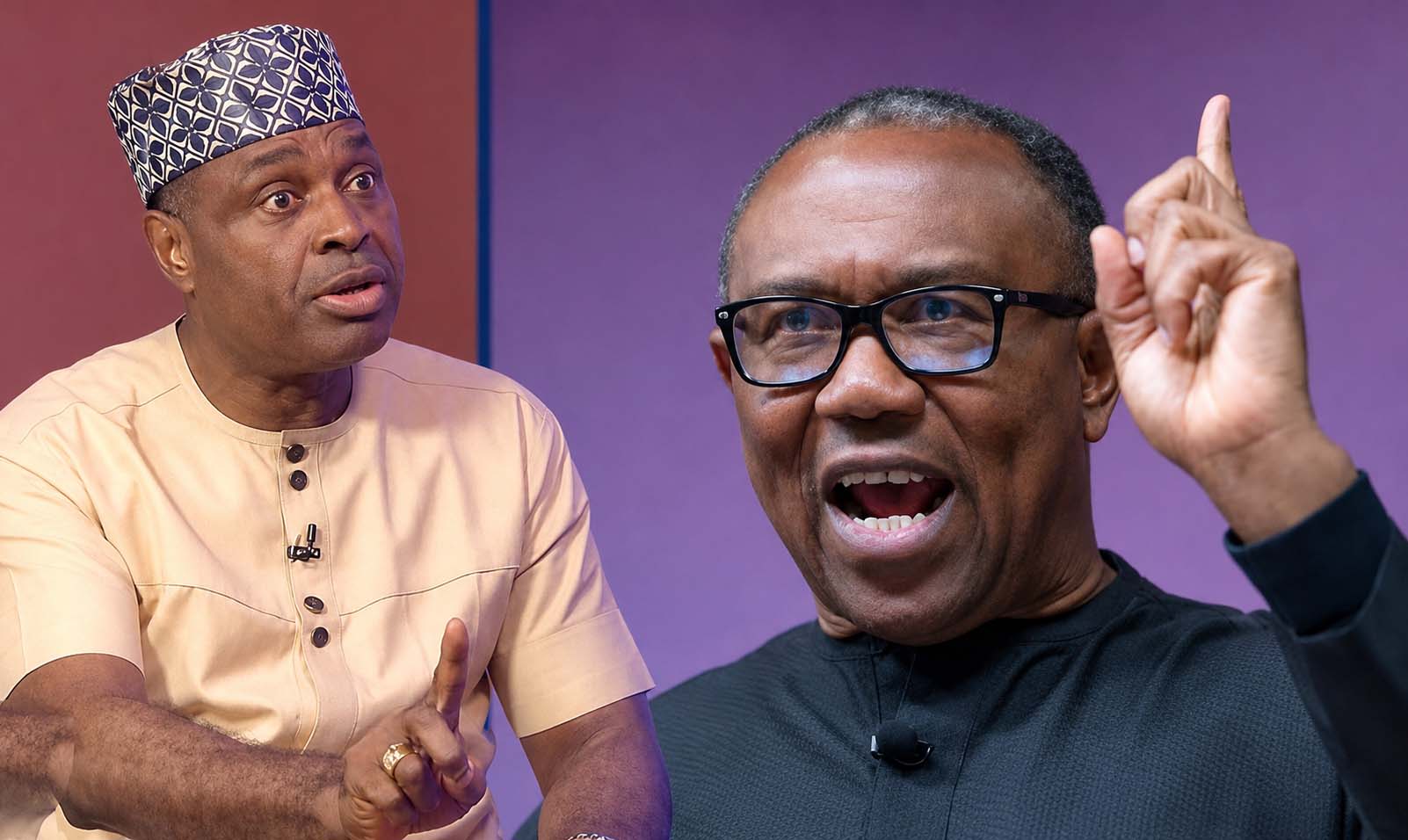
Supporters of the Obi-Kwankwaso movement argue that as NDC continues gaining attention and attracting new political interests, rival camps may naturally attempt to gain influence from within.
Some fear that individuals with longstanding relationships and investments in opposing political structures could weaken internal cohesion or redirect the movement’s original vision.
Political analysts note that such fears are not entirely uncommon.
Across Nigeria’s democratic history, rapidly expanding political parties and coalition movements have repeatedly struggled with internal disputes involving defections, accusations of hidden loyalties, and claims of external influence.
Analysts say the challenge for emerging parties is often balancing inclusiveness with institutional safeguards.
“The bigger a political movement becomes, the more attractive it becomes to people with different motivations,” a political observer familiar with developments in Enugu reportedly noted.
“The real test is whether the party has systems capable of separating genuine converts from opportunistic political migration.”
As the controversy continues to spread across grassroots structures and social media spaces, pressure is reportedly mounting on NDC leadership to thoroughly screen aspirants and establish clear standards regarding eligibility and party commitment.
At the time of filing this report, Nelson Maduka Arum had not publicly responded to the allegations or concerns raised regarding his political activities and affiliations. Likewise, NDC leadership had not issued an official statement addressing the controversy.
For now, confusion, suspicion, and political tension continue to grow.
And across Enugu political circles, one question remains: Is Nelson Maduka Arum simply another politician seeking a new platform, or is there a deeper political strategy unfolding behind the scenes?
We keep you informed and involved with anything from breaking news to thought-provoking opinion articles.