Fulani Gunmen Strike Again:Killing Four Amid Escalating Violence
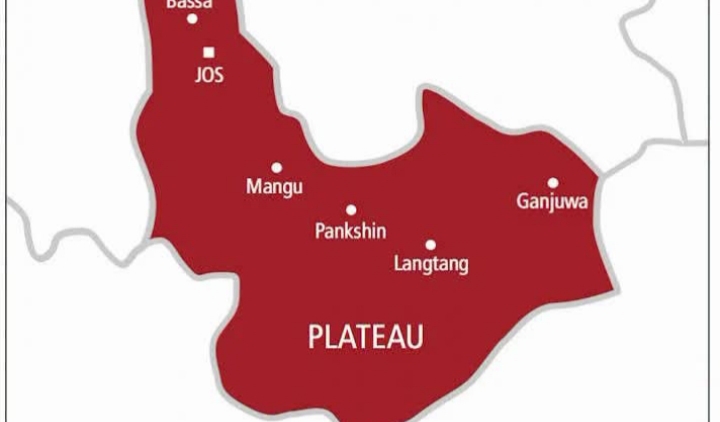
Tragedy struck in Plateau State's Bokkos Local Government Area on Friday, October 11, as suspected Fulani gunmen attacked a mining site in the Batura community, killing four persons on the spot and injuring five others. The victims, all youths, were working at the mining site when the gunmen launched the devastating attack around 9 pm.
According to Sabastine Magit, President of the Butura Youth Movement, the gunmen spoke the Fulani dialect and fled the area after the attack. The deceased were identified as Bwefuk Musa, 21; Klingshak Dickson, 21; Promise Joshua, 20; and Nyam Abaka, 20.
This attack comes just four days after a tragic incident in the village of Wumat, where five members of a family, including a pregnant mother, lost their lives. The Butura community has suffered a series of unprovoked attacks, with over 20 members killed in the last month alone, all attributed to identified Fulani assailants.
Plateau State has a history of ethnic and religious conflicts, mainly between Muslim Fulani herders and Christian farmers. The bandit conflict began in 2011 over land ownership and grazing rights, exacerbated by Nigeria's high fertility rate, unemployment, and climate change.
In December 2023, a series of armed attacks occurred in Plateau State, affecting 17 rural communities in Bokkos and Barkin Ladi, resulting in at least 200 deaths and injuries to over 500 people. The Nigerian Army launched "clearance operations" to find suspects, but victims reported delayed response times from security forces.
The international community has condemned the violence, with Amnesty International calling for an independent investigation. Governor Caleb Mutfwang has vowed to bring the perpetrators to justice, but his response has faced criticism.
As tensions remain high in Plateau State, the people demand justice and protection from the government. The recent attack in Bokkos Community is a grim reminder of the ongoing conflict and the need for urgent action to prevent further bloodshed.
Community leaders are speaking out against the violence, with Sabastine Magit stating, "We are tired of living in fear. Our people are being killed, and our communities are being destroyed. We need the government to take concrete actions to stop these attacks."
The attacks have displaced hundreds of people, leaving them without access to basic necessities like food, shelter, and healthcare. Local organizations are struggling to provide aid, but more support is needed. The situation is dire, with many displaced persons facing starvation and exposure.
The government's response has been criticized as inadequate, with many calling for immediate action to stop the attacks and protect citizens. An independent investigation into the violence is also necessary to bring perpetrators to justice.
In addition to short-term measures, long-term solutions are needed to address the root causes of the conflict. This includes addressing land ownership and grazing rights, providing economic opportunities, and promoting interfaith dialogue.
As the situation in Plateau State continues to deteriorate, the world watches with concern, urging swift action to prevent further loss of life and restore peace to the troubled region. The people of Plateau State deserve justice, protection, and peace.
Efforts to reach the Plateau State Command spokesman, Alabo Alfred, the Military Taskforce spokesman, Major Samson Zhakom, and the state Commissioner for Information, Musa Ashoms, were unsuccessful, as calls to their phone lines went unanswered.