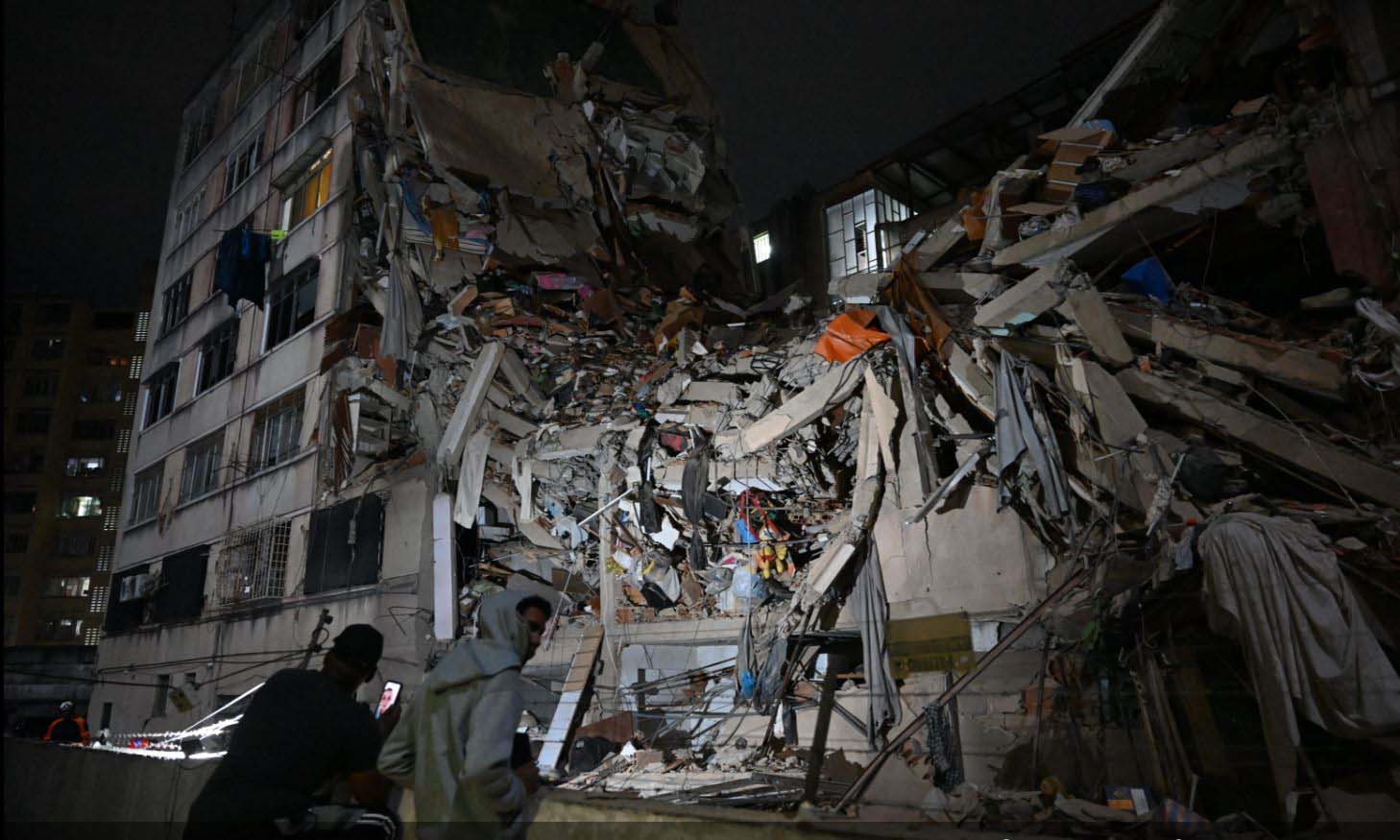
Explosions heard all over Iran as US strikes ...... Welcome to Glintnews......
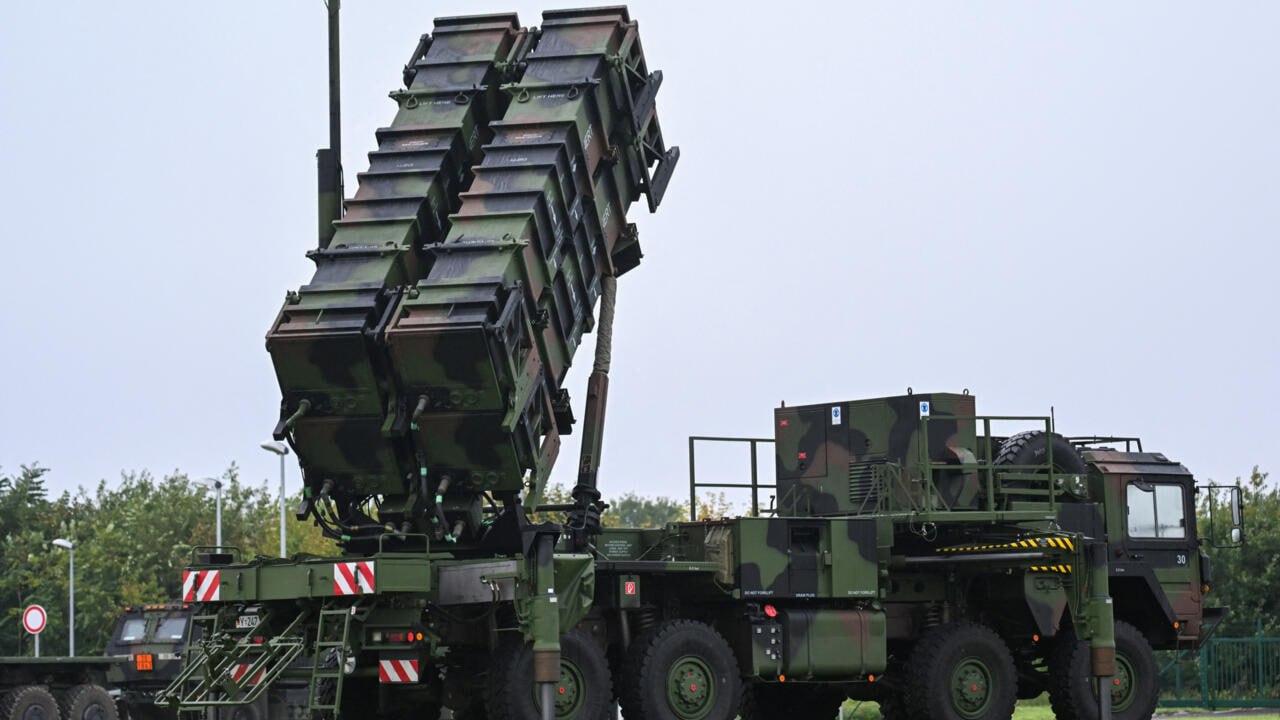
Global Patriot Missile Shortage Deepens as Iran Conflict Drains US Stockpiles , Allies Faces Uncertain Deliveries
BERLIN — Growing concerns are emerging among America's closest allies as supplies the Patriot missile system—one of the world'smost advanced air-defense weapons—come under increasing strain amid escalating military commitments and expanding global security crises.
Defense officials and military planners across Europe, the Middle East, and Asia are reportedly facing an uncomfortable reality: dlespite ongoing efforts to expand production, there may not be enough Patriot interceptor missiles to meet rising global demand for years to come.
The warning became clearer during the recent International Aerospace Exhibition (ILA) in Berlin, where senior executives from Lockheed Martin, the U.S. defense contractor responsible for manufacturing the Patriot Advanced Capability-3 (PAC-3) missile interceptors, acknowledged the growing pressures on production and distribution.
The development comes as Washington continues to support multiple military commitments simultaneously, including the ongoing conflict in Ukraine, heightened tensions in the Middle East, and efforts to reassure alliesoncerned about threats
A Weapon in High Demand
Countries including Germany, Poland, Japan, Saudi Arabia, the United Arab Emirates, South Korea, and several members of NATO heavily depend on Patriot batteries as a primary shield against potential missile attacks.
However, growing demand has outpaced production capacity.
Lockheed Martin is currently working under a Pentagon contract valued at approximately $4.7 billion aimed at dramatically increasing annual PAC-3 interceptor production. The company plans to boost manufacturing output from roughly 650 missiles annually to approximately 2,000 per year by 2033.
Yet defense analysts warn that even this ambitious expansion may prove insufficient given the pace at which the missiles are being consumed and ordered worldwide.
"No Guarantees" on Delivery Timelines
Speaking during the Berlin Air Show, Lockheed Martin executive Brian Dunn indicated that the company cannot provide firm guarantees on delivery schedules to foreign customers.
According to Dunn, once missiles leave the production line, final allocation decisions rest largely with the U.S. government rather than the manufacturer.
That means nations that have invested billions of dollars in Patriot systems may find themselves competing for limited supplies.
Germany, which has been rebuilding its military following Russia's invasion of Ukraine, is among the countries seeking additional interceptor stocks. Poland, which borders Ukraine and has significantly increased defense spending, is also seeking expanded missile defense capabilities.
In Asia, Japan continues strengthening its missile defenses amid growing security concerns in the region, while Gulf nations such as Saudi Arabia and the United Arab Emirates remain heavily dependent on Patriot systems to counter missile and drone threats.
The challenge facing all these nations is increasingly simple: demand is rising faster than supply.

Ukraine War Consumed Significant Inventories
Military analysts note that Patriot missile inventories were already under pressure long before the latest Middle East tensions intensified.
Since Russia launched its full-scale invasion of Ukraine in 2022, the United States and several allies have transferred substantial quantities of Patriot interceptors to Kyiv.
Ukraine has relied on the systems to defend major cities and critical infrastructure against missile and drone attacks.
While the Patriot has demonstrated notable successes in intercepting incoming threats, the conflict has also highlighted a key reality of modern warfare: advanced air-defense missiles are expensive, complex to manufacture, and can be consumed at a remarkable rate during sustained combat operations.
The prolonged nature of the war has forced Western governments to continually replenish stocks while simultaneously maintaining readiness for other potential conflicts.
Middle East Tensions Add New Pressure
The strain on missile inventories has reportedly intensified further as military operations involving Iran and its regional allies continue to drive demand for sophisticated air-defense systems.
The Middle East remains one of the most volatile security environments in the world, with ballistic missiles, armed drones, and precision-guided weapons playing an increasingly prominent role in military confrontations.
As tensions escalate, U.S. military forces and regional partners have relied heavily on missile-defense systems to protect bases, infrastructure, and civilian populations.
Each interception, however, comes at a significant cost.
PAC-3 interceptor missiles can cost several million dollars perunit engagements both strategically and financially
warn that prolonged high-intensity conflicts can rapidly consume inventories that take years to replace.
Pentagon Prioritizes Domestic Readiness
Facing mounting pressures on stockpiles, the U.S. Department o Defense is reportedly prioritizing restoration of its own missil inventories before fulfilling some foreign orders.
This approach reflects broader concerns within Washington about maintaining militar preparedness amid an increasingly uncertain global security environment.
The Pentagon has repeatedly emphasized the importance of ensuring that U.S. forces retain sufficient munitions for potential future contingencies.
As a result, some international customers may experience delays in receiving interceptor missiles even after signing procurement agreements.
For countries facing immediate security threats, such delay could create strategic vulnerabilities and accelerate efforts to seek alternative defense solutions.
A Broader Problem for Western Defense Industries
The Patriot missile shortage highlights a wider challenge confronting Western defense manufacturers.
For decades, many defense industries operated under assumptions that large-scale conventional warfare between major powers was unlikely. Production lines were optimized for peacetime requirements rather than prolonged high-intensity conflicts.
The wars in Ukraine and the Middle East have challenged those assumptions.
Governments across NATO and allied nations are now racing to expand industrial capacity not only for missile defense systems but also for artillery shells, precision-guided munitions, drones, and other critical military equipment.
Despite billions of dollars in new defense investments, expanding production remains a lengthy process requiring specialized facilities, skilled labor, and complex supply chains.
Strategic Implications for Allies
The growing scarcity of Patriot interceptors could have significant geopolitical consequences.
Countries unable to secure sufficient missile-defense inventories may be forced to explore alternative systems, increase domestic defense production, or reconsider their security strategies altogether.
Some nations are already investing in indigenous air-defense programs, while others are examining partnerships with alternative suppliers.
The situation also underscores the increasing importance of defense-industrial capacity as a strategic asset in modern geopolitics. Military strength is no longer measured solely by the weapons a nation possesses today, but also by its ability to sustain production during prolonged crises.
An Era of Competition for Defensive Firepower
As global security challenges multiply, Patriot missiles have become one of the world's most valuable military commodities.
With wars continuing in multiple regions and governments accelerating defense spending, competition for advanced air-defense systems is expected to intensify throughout the coming decade.
Although Lockheed Martin's production expansion represents one of the largest missile manufacturing efforts in recent years, defense experts caution that supply shortages are likely to persist in the near term.
For America's allies, the message is becoming increasingly clear: securing advanced missile defenses may require patience, strategic planning, and acceptance that in a world of rising conflict, even the most powerful military alliances face limits on available resources
We keep you informed and involved with anything from breaking news to thought-provoking opinion articles.