Explosions heard all over Iran as US strikes ...... Welcome to Glintnews......
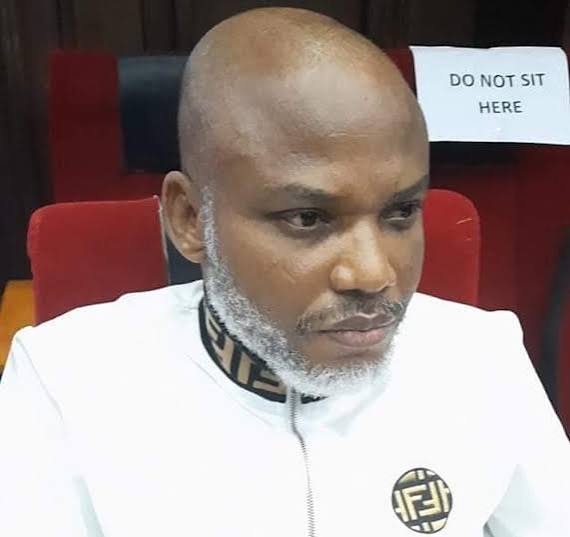
Pressure Mounts on Tinubu to Release Nnamdi Kanu Before U.S. Visit Amid Rising International Tensions
Abuja, Nigeria — November 3, 2025
Pressure is mounting on President Bola Ahmed Tinubu to release detained IPOB leader, Mazi Nnamdi Kanu, before his planned trip to the United States, where he is expected to meet former U.S. President Donald Trump. The growing call comes amid fears that Nigeria’s continued detention of Kanu could further damage the country’s global image, particularly in the context of rising concern over the persecution of Christians and the government’s handling of religious extremism.

In recent weeks, political observers, rights advocates, and religious leaders have renewed appeals for Tinubu to free Kanu unconditionally, describing his continued incarceration as both unlawful and morally indefensible. Many argue that Kanu’s only offense was speaking out against radical Islamism, terrorism, and the killings of Christians that have plagued Nigeria for over a decade.
According to activists familiar with Kanu’s case, his prosecution has less to do with national security and more to do with his courage to confront what he described as the “institutional silence” surrounding the genocide of Christians in northern and central Nigeria. He was one of the few voices who openly condemned the mass killings under former President Muhammadu Buhari’s administration, accusing state authorities of turning a blind eye while extremist elements advanced violent jihad across communities.
Kanu’s campaign drew both admiration and hostility. While millions across the Southeast and South-South hailed him as a defender of the oppressed, elements within the security establishment saw him as a threat to national unity. His eventual abduction and extraordinary rendition from Kenya in 2021, according to several legal experts, violated international law and Nigeria’s own constitutional protections. Despite multiple court rulings favoring his release, the Department of State Services (DSS) has continued to hold him in detention in Abuja, a move many describe as a direct affront to the judiciary.
Amid the growing discontent, Comrade David C. Ani, an Enugu-based human rights activist, has publicly urged President Tinubu to release Kanu before leaving for his U.S. engagement. In a statement made available to journalists in Enugu, Ani stated that “what the United States and other international observers are now reacting to is precisely the crime of Mazi Nnamdi Kanu — speaking out against jihadist extremism and calling global attention to the Christian genocide taking place in Nigeria.”

Ani further noted that while the government continues to dialogue with armed terrorists in the North and occasionally pardon individuals accused of mass killings, peaceful agitators like Kanu have been silenced and detained without justice. “The world can see the double standard,” he said. “The U.S. government’s position is not about secession or politics — it’s about human rights, justice, and the protection of vulnerable populations. Kanu’s arrest became symbolic of the wider persecution of those who speak the truth.”
Supporters of the detained leader recall that in late 2020, amid rising insecurity in the Southeast, Kanu established the Eastern Security Network (ESN) — a regional defense initiative aimed at protecting rural communities and farmlands from terrorist attacks and bandit invasions. He repeatedly insisted that the ESN was not a separatist militia but a defensive response to state failure in securing lives and property.
However, the federal government proscribed the group, branding it a terrorist organization and launching military operations across the region, which often resulted in civilian casualties and widespread fear among local residents.
Critics argue that while federal authorities have failed to decisively confront extremist groups in the North — often opting for negotiation and amnesty — they have instead unleashed full military force in the Southeast, deepening ethnic mistrust and fueling resentment. Human rights organizations have also documented patterns of arbitrary arrests, disappearances, and extrajudicial killings linked to counter-IPOB operations.
With President Tinubu now preparing to visit Washington for talks with Donald Trump, diplomatic observers warn that the Kanu issue could overshadow the visit. Trump, known for his strong stance on religious freedom, has previously warned of “decisive measures” to protect Christian populations in Africa, citing Nigeria as a flashpoint for religious persecution. Reports suggest that U.S. faith-based organizations have been lobbying Washington to pressure Abuja over human rights abuses and the suppression of Christian voices.

Many analysts believe that freeing Kanu before the trip could ease tensions and signal Tinubu’s commitment to justice and national healing. Others see it as a critical opportunity for the Nigerian leader to rebuild international confidence, particularly after years of allegations that the government tolerated or ignored extremist violence.
Across the Southeast, civic groups, clerics, and traditional rulers have echoed Ani’s position, urging Tinubu to act in the interest of peace. They argue that keeping Kanu in detention serves no practical security purpose but rather perpetuates bitterness and division. Some community leaders have suggested that dialogue and reconciliation would do far more to stabilize the region than indefinite imprisonment.
As diplomatic preparations continue, observers say the situation places Tinubu at a moral crossroads. Releasing Kanu before the U.S. visit would likely be interpreted globally as a gesture of goodwill and respect for rule of law. Failing to do so, on the other hand, could expose Nigeria to deeper diplomatic isolation and reinforce the perception of selective justice under his administration.
For now, the calls grow louder. From Enugu to Washington, voices like Comrade David C. Ani’s continue to resonate — reminding Nigeria’s leadership that peace, unity, and international respect begin with justice.
We keep you informed and involved with anything from breaking news to thought-provoking opinion articles.