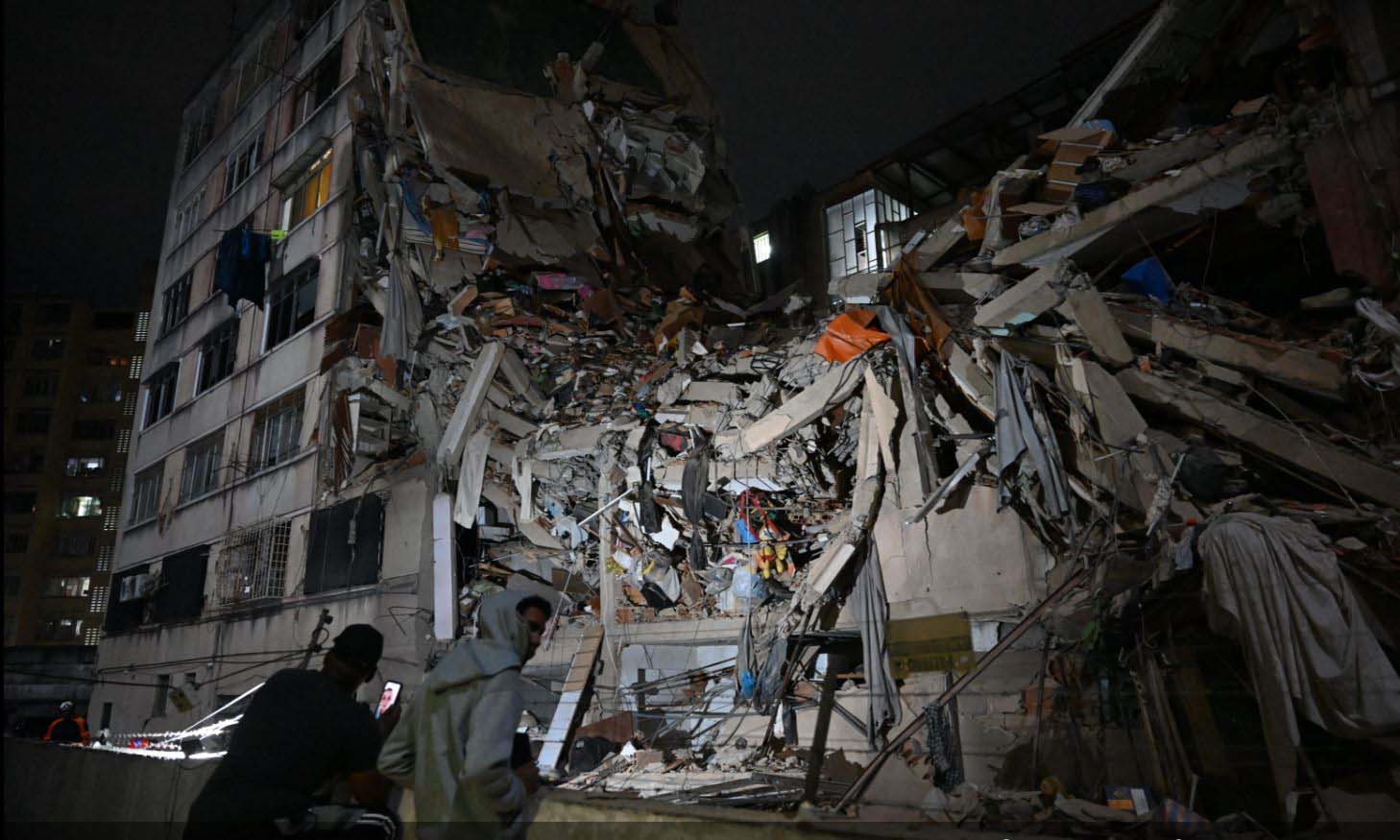
Explosions heard all over Iran as US strikes ...... Welcome to Glintnews......

_US Military Presence in the Persian Gulf: Strategic Bases and Regional Tensions_
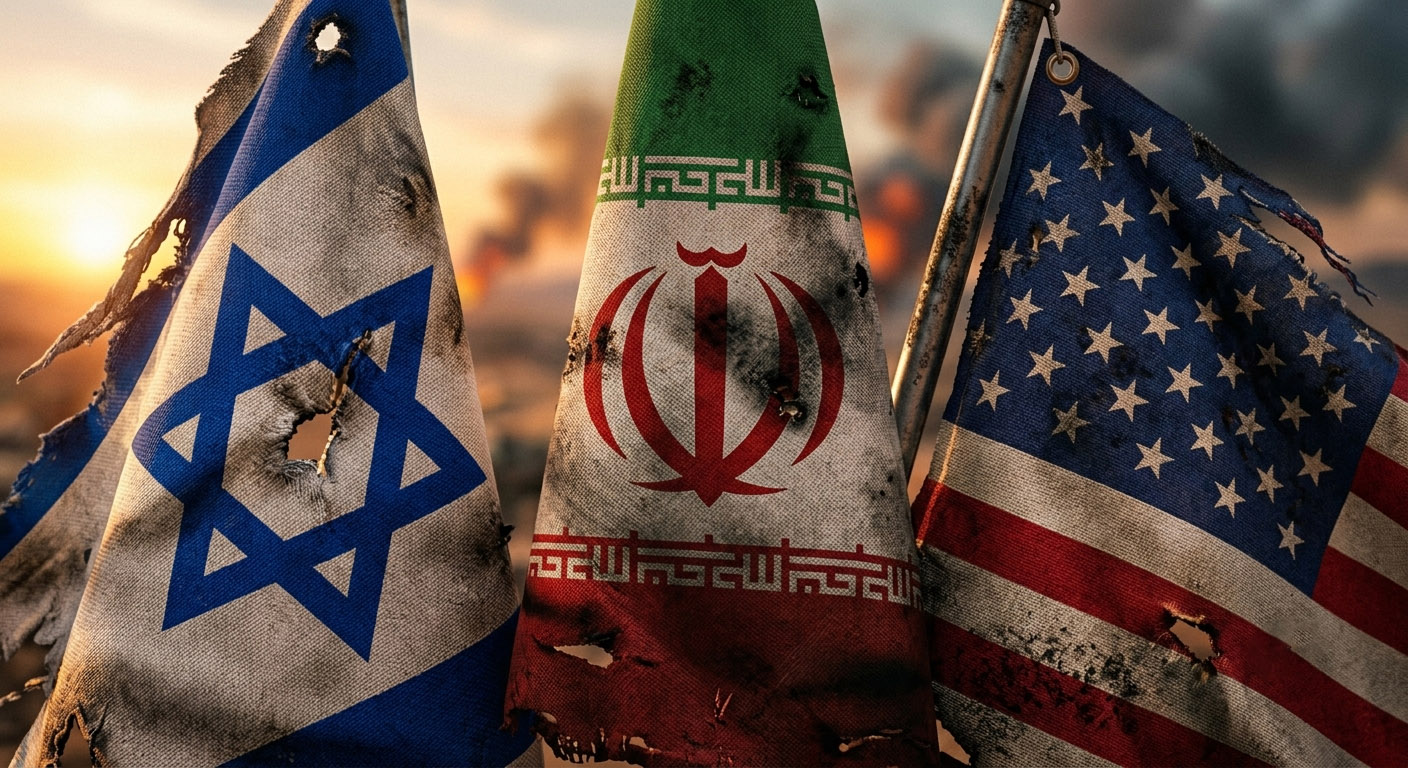
The Persian Gulf region has become a critical focal point in the escalating tensions between the United States, Iran, and its regional allies. Recent reports suggest that Tehran has threatened to attack oil-rich Gulf countries and other US Middle Eastern allies if their territories or airspace are used for strikes on Iran. In response, Israel has signaled its intention to retaliate against Iran's October 1 retaliatory missile strike.
The US maintains a significant military presence in the region, with several key bases strategically located across Gulf countries. These bases serve as forward staging posts for US military operations and play a crucial role in maintaining regional security.
Kuwait, as a major non-NATO ally (MNNA), hosts the largest American military presence in the region, with approximately 13,500 US forces stationed at:
- Camp Arifjan
- Ali al-Salem Air Base
- Ahmed Al Jaber Air Base
Qatar, another MNNA, is home to around 10,000 US military personnel, primarily deployed at:
- Al-Udeid Air Base (US Central Command's Forward Headquarters and Combined Air Operations Center)
Bahrain hosts an estimated 7,000-9,000 US military personnel at:
- Naval Support Activity Bahrain (US Navy base, home to US Naval Forces Central Command and US Fifth Fleet headquarters)
The United Arab Emirates (UAE) hosts between 3,500-5,000 US military personnel, mostly deployed at:
- Al Dhafra Air Base (Gulf Air Warfare Center for air and missile defense training)
- Jebel Ali port (supporting maritime security operations in the Persian Gulf)
Oman reportedly hosts a few hundred US air force personnel at:
- Masirah air base
- Thumrait air base
- The USS Abraham Lincoln Carrier Strike Group has been deployed off Oman's coast since August
Saudi Arabia hosts approximately 2,700 US military personnel, mainly stationed at:
- Prince Sultan Air Base
The escalation of tensions in the region has sparked concerns among Gulf countries, which are wary of potential harm to their economies. The region's economic stability is closely tied to the security situation, with oil exports and trade flows potentially vulnerable to disruptions. The UAE, Saudi Arabia, and Kuwait are among the world's largest oil exporters, while Qatar is a significant natural gas producer.
Gulf countries have vowed not to allow their territories or airspace to be used in any future attacks on Iran, highlighting the complex web of alliances and interests at play. The US must balance its commitment to regional security with the need to avoid provoking Iran, while Israel's signaled intention to retaliate against Iran raises concerns about a broader conflict.
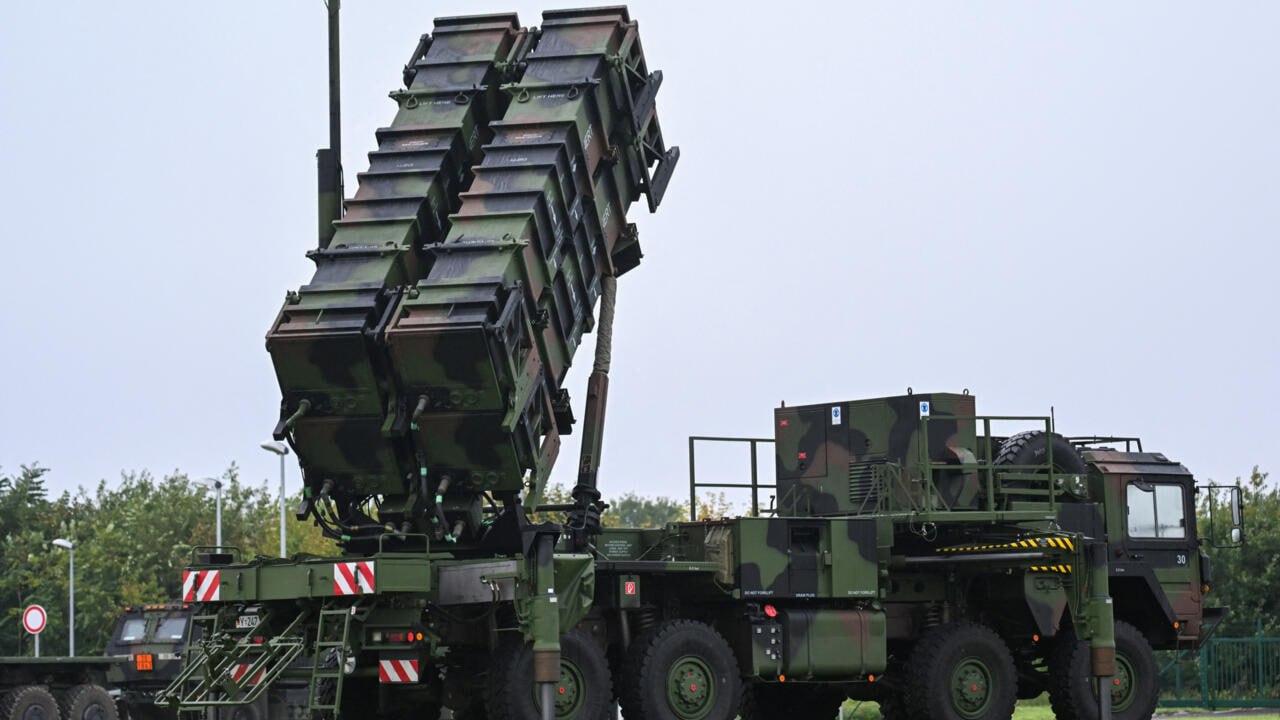
The international community is closely watching the situation, aware that any miscalculation could have far-reaching consequences. The US military presence in the Persian Gulf serves as a deterrent against Iranian aggression and supports regional security, but the current tensions underscore the need for diplomatic efforts to resolve the crisis.
The Wall Street Journal reported that Tehran's threats have prompted concerns among US allies in the region, underscoring the need for a united response to potential Iranian aggression. According to the International Institute for Strategic Studies (IISS), the US military presence in the region plays a critical role in maintaining regional security and stability.
As tensions continue to escalate, the Middle East Institute warns that the region is facing a critical moment, with the potential for conflict hanging in the balance. The situation highlights the importance of diplomatic engagement and cooperation among regional and international actors to prevent a broader conflict.
We keep you informed and involved with anything from breaking news to thought-provoking opinion articles.