Explosions heard all over Iran as US strikes ...... Welcome to Glintnews......
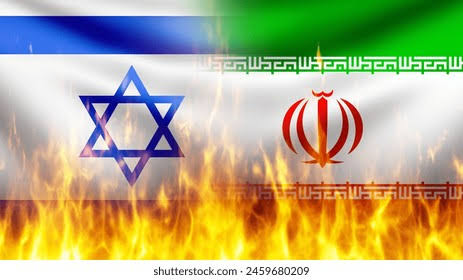
Middle East on the Brink: Iran and Israel Exchange Direct Military Strikes as Regional Tensions Escalate
Glintnews West Asia, June 8, 2026
The Middle East has entered a dangerous new phase of confrontation following a dramatic exchange of direct military strikes between Iran and Israel, raising fears of a broader regional conflict that could draw in multiple countries and disrupt international security, trade routes, and energy markets.
The latest escalation began after reports emerged that rockets had been launched from Iranian territory toward northern Israel, marking one of the most significant direct attacks in the ongoing confrontation between the two regional rivals.
Israeli media outlets reported that several projectiles targeted areas in northern Israel late Sunday evening, triggering air defense responses and renewed concerns over the expanding scope of hostilities that have intensified in recent months.
Iran Says Strikes Were Response to Israeli Operations
Shortly after the attacks, Iran's Khatam al-Anbiya Central Headquarters, the country's primary military command structure, stated that the missile launches were carried out in response to what it described as escalating Israeli military actions against Lebanon.
Iran has repeatedly accused Israel of conducting aggressive operations against allied groups in Lebanon and across the broader region. Tehran maintains that such actions threaten regional stability and justify what it calls "defensive responses" aimed at deterring further attacks.
The latest exchange underscores the growing risk that tensions linked to conflicts in Lebanon, Syria, Gaza, and the Red Sea are increasingly merging into a single, wider regional confrontation.
Israeli Officials Issue Warning
Following the reported Iranian missile launches, Israeli National Security Minister Itamar Ben-Gvir issued a strongly worded statement warning that Israel would respond decisively to any attacks originating from Iranian territory.
Israeli security officials have consistently maintained that the country reserves the right to defend itself against threats from any source and have repeatedly warned that direct attacks by Iran would provoke substantial retaliation.
The statement heightened fears that a cycle of escalation could quickly spiral beyond the control of diplomatic efforts currently underway in the region.
Explosions Rock Tehran and Tabriz
Within hours of the Iranian strikes, reports emerged of Israeli retaliatory operations targeting locations inside Iran.
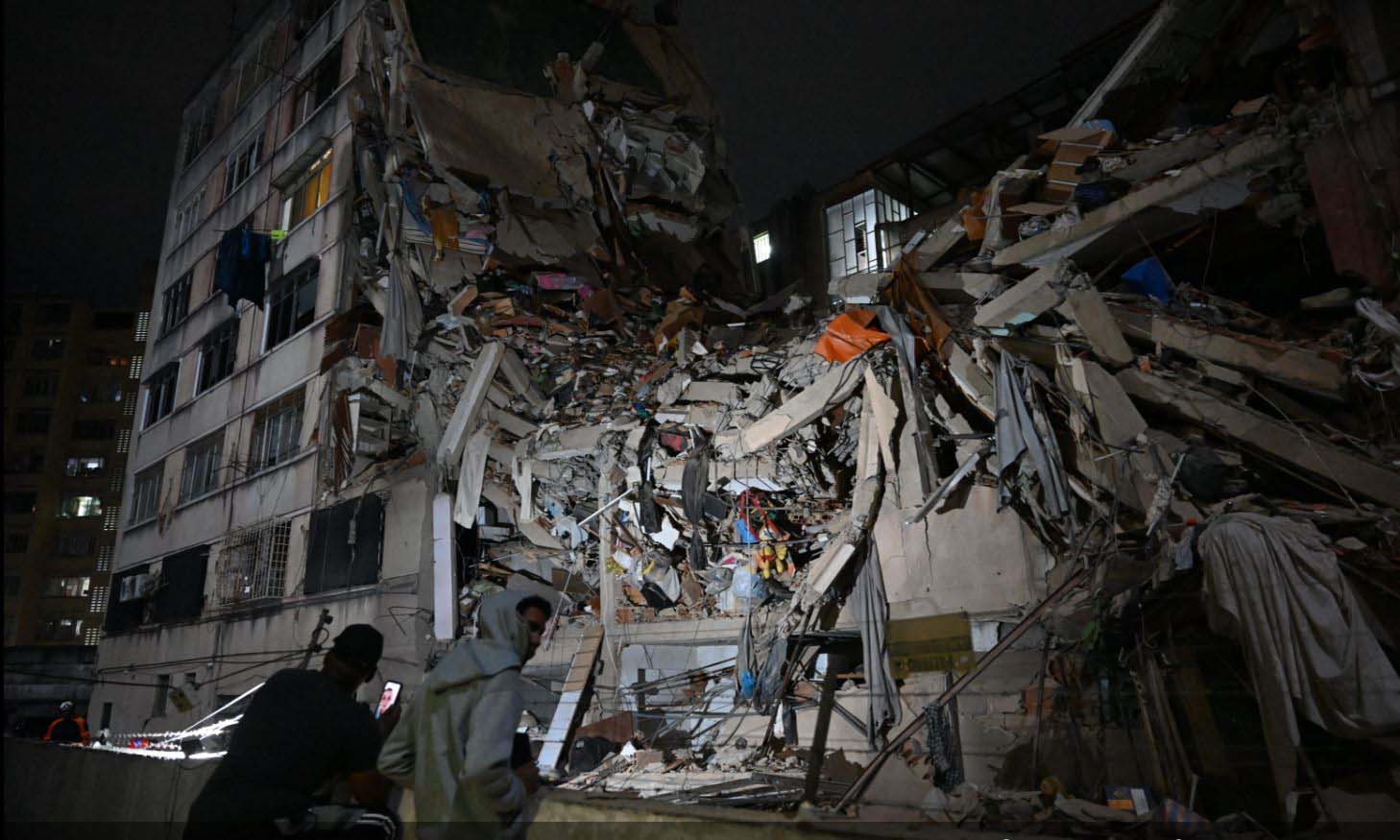
According to Iranian state-linked news agency IRNA, at least two powerful explosions were heard in Tehran, the nation's capital. Witnesses reported hearing loud blasts across several districts, while emergency services and security personnel were deployed to affected areas.
Local authorities also confirmed attacks in the city of Tabriz, a major industrial and military center in northwestern Iran. The extent of the damage remains unclear, though preliminary reports suggest that strategic facilities may have been among the targets.
In southwestern Iran, officials in Khuzestan Province reported strikes affecting the Karun chemical plant, raising concerns about potential industrial damage and environmental risks.
Iranian authorities have not yet released comprehensive casualty figures, and independent verification of the reported damage remains ongoing.
IRGC Launches "Operation Nasr"
In what analysts describe as a significant escalation, Iran's Islamic Revolutionary Guard Corps (IRGC) formally announced the commencement of "Operation Nasr" ("Victory"), a military campaign targeting key Israeli military infrastructure.
According to the IRGC, the operation specifically targeted two major Israeli airbases:
Tel Nof Airbase
Nevatim Airbase
Both installations are considered critical components of Israel's air defense and offensive military capabilities.
The announcement signals a shift from indirect confrontation through proxy forces toward increasingly direct state-to-state military engagement.
Security analysts warn that such direct targeting of strategic military assets significantly raises the risk of a prolonged conflict with unpredictable consequences.

Yemen's Ansar Allah Enters the Fray
The situation became even more complex after Yemen's Ansar Allah movement publicly declared support for Iran.
The group announced what it described as a ban on the passage of Israeli-linked vessels through the Red Sea, one of the world's most critical maritime trade corridors.
Any disruption to shipping routes in the Red Sea could have substantial consequences for global commerce, energy transportation, and international supply chains.
Shipping companies and maritime security agencies are closely monitoring developments amid concerns that commercial vessels could become increasingly vulnerable to attacks or restrictions.
Iraq and Syria Close Airspace
As fears of a wider regional war intensified, neighboring countries began taking emergency measures to protect civilian aviation and national security.
The government of Iraq announced the closure of its airspace for 72 hours, citing heightened security concerns and the risk posed by ongoing missile and drone activity across the region.
Meanwhile, authorities in Syria ordered a 12-hour closure of Damascus International Airport and restricted air traffic over southern parts of the country.
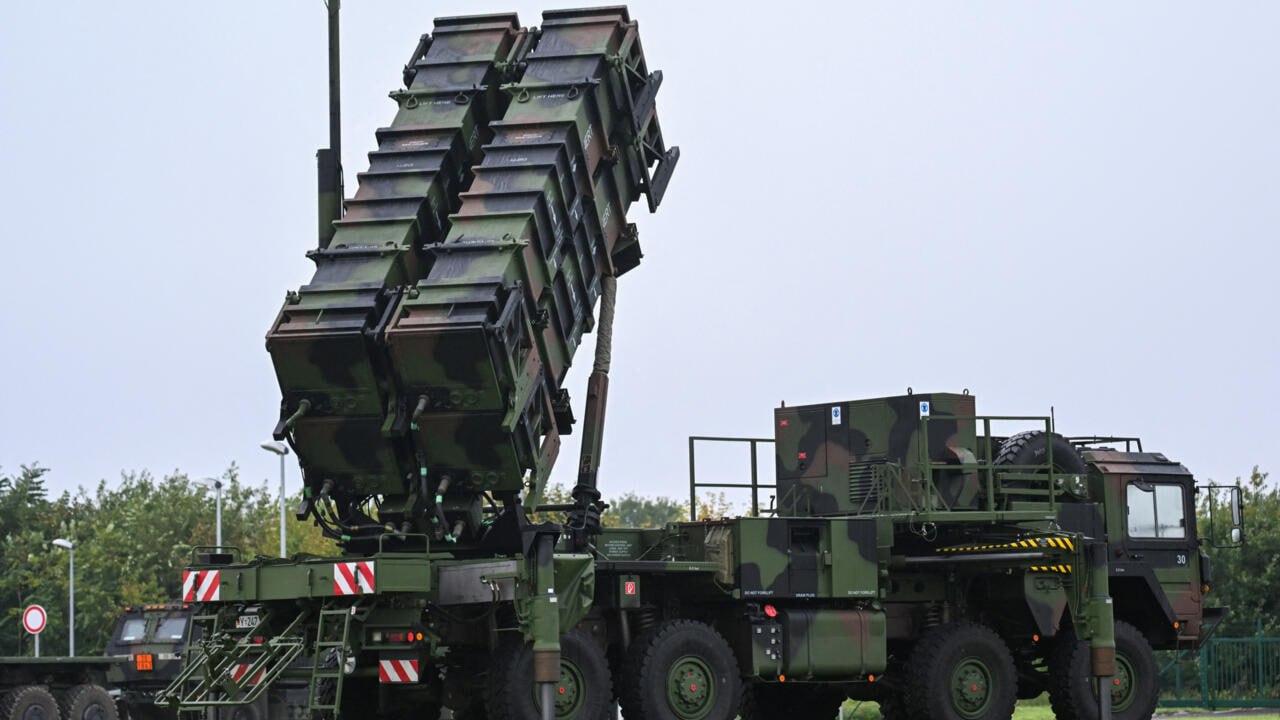
The measures followed reports of explosions in the skies over Damascus, where Syrian air defenses were reportedly engaged in intercepting missiles crossing regional airspace.
Aviation experts warn that expanding military operations across multiple countries could create unprecedented challenges for civilian air travel throughout the Middle East.
International Community Alarmed
The latest developments have triggered alarm among international leaders, with growing calls for restraint from major world powers and diplomatic organizations.
Security analysts warn that the direct exchange of attacks between Iran and Israel represents one of the most dangerous moments in the region in recent years.
Unlike previous confrontations largely fought through proxy groups and allied militias, the current escalation involves direct military action between two of the Middle East's most powerful states.
Such a conflict carries the risk of drawing in additional actors, including regional allies, armed movements, and international military forces stationed across the Middle East.
Global Implications
Beyond the immediate military consequences, the confrontation threatens to impact global oil markets, international shipping lanes, and broader geopolitical stability.
The Middle East remains a critical hub for global energy production and transportation. Any prolonged conflict affecting Iran, Israel, the Red Sea, or neighboring states could lead to increased volatility in energy prices and disruptions to global trade.
Financial markets, airlines, shipping operators, and governments worldwide are closely watching developments as the situation continues to evolve.
As of the time of publication, military operations and diplomatic consultations remain ongoing. Neither Israel nor Iran has indicated a willingness to de-escalate, raising concerns that further retaliatory actions may occur in the coming hours or days.
Casualty figures, damage assessments, and the full scope of military operations remain unclear as authorities in multiple countries continue to evaluate the situation.
The rapidly evolving crisis has placed the entire Middle East on high alert, with observers warning that the coming days could prove decisive in determining whether the region moves toward broader war or renewed diplomatic engagement.
We keep you informed and involved with anything from breaking news to thought-provoking opinion articles.