Explosions heard all over Iran as US strikes ...... Welcome to Glintnews......
Terror Strikes After Warning: Kebbi Resident Abducted Hours After Urging Government to End Insecurity
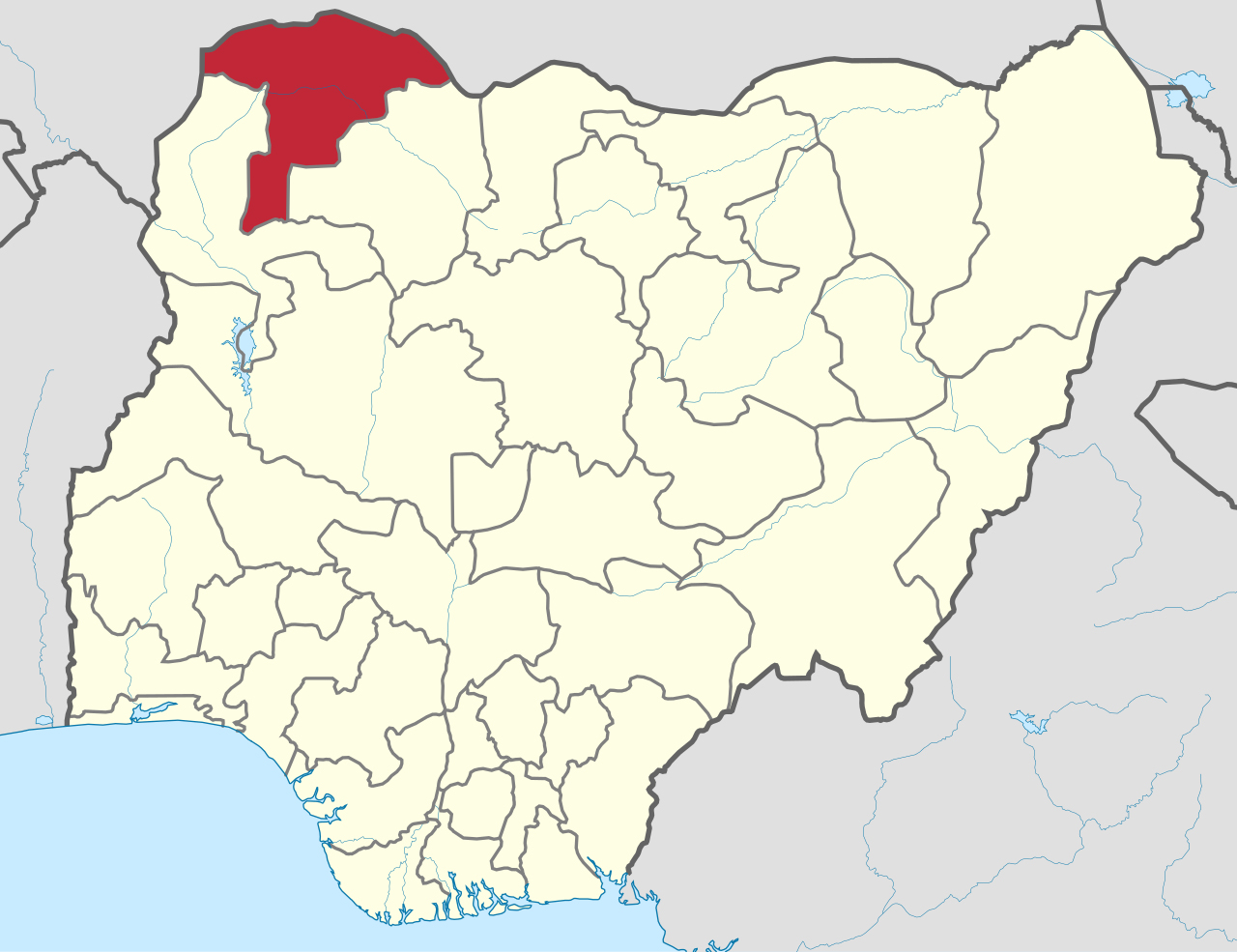
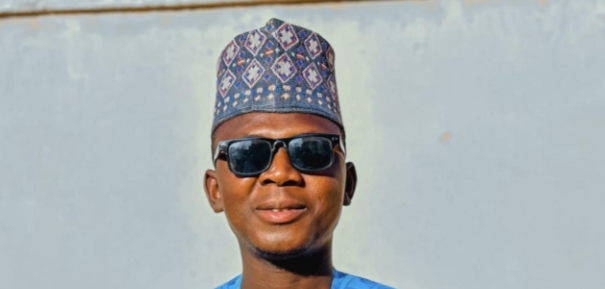
A resident of Wasagu town in Danko-Wasagu Local Government Area of Kebbi State, Lawal Jabir Sahabi, has reportedly been abducted by suspected terrorists only hours after publicly appealing to the state government to intensify efforts against the growing wave of insecurity devastating communities in the area.
The shocking incident has sparked outrage and renewed concerns over the deteriorating security situation in parts of northern Nigeria, where communities continue to grapple with frequent attacks, kidnappings, and violent raids by armed groups.
According to reports, the attackers stormed Wasagu town on Thursday night, abducting Sahabi alongside several other residents during the operation. The incident was first brought to public attention on Friday by renowned security analyst Bakatsine, who shared details of the attack on social media.
In a post on X, Bakatsine revealed that Sahabi had openly expressed concerns about insecurity in his community just hours before he was taken by the armed men.
"Just yesterday afternoon, he made this post. Tragically, later last night, bandits reportedly raided his area in Wasagu town, Danko-Wasagu LGA of Kebbi State, abducting him alongside some residents," Bakatsine wrote.
The analyst prayed for the safe return of the victims and urged authorities to take decisive action against the persistent security threats affecting rural communities across the country.
Before his abduction, Sahabi had used Facebook to call on the Kebbi State Government to intensify efforts to combat terrorism and banditry in Wasagu villages. His post reflected growing frustration among residents who have repeatedly complained about attacks, fear, and displacement caused by armed groups operating in the region.
"Kebbi State government should continue to stop the terrorism in Wasagu villages; if it goes like that, it is difficult for these people to vote for APC," Sahabi wrote in a post that has since gained widespread attention following his disappearance.
The tragic sequence of events has generated reactions from social media users, many of whom expressed shock that the victim was abducted shortly after speaking out about insecurity in his community.
One Facebook user, Sufiyanu Sani Na Ghana, reacted emotionally, writing: "Lawal Jabir Sahabi post this and see your own destiny. May Allah make a way out with ease."
Residents and observers say the incident highlights the worsening security crisis confronting several communities in Kebbi State and other parts of northern Nigeria. Despite ongoing military operations and government assurances, attacks by terrorists and bandits continue to threaten lives, livelihoods, and public confidence.
Kidnapping for ransom has become one of the most persistent security challenges across the country, with rural communities often bearing the brunt of the violence. Schools, highways, markets, and farming settlements have increasingly become targets of criminal gangs seeking financial gain through abductions.
The latest incident comes amid mounting concerns from civil society groups, community leaders, and security experts who have repeatedly called for stronger measures to protect vulnerable populations and restore confidence in affected areas.
Recent data released by Amnesty International paints a grim picture of the security situation. The organization reported that at least 1,100 people were abducted between January and April 2026, with the majority of cases occurring across northern states. The victims reportedly included women, children, farmers, travelers, and internally displaced persons.
According to the rights organization, many abductees have been subjected to harsh conditions, including torture, starvation, and prolonged captivity while their families struggle to raise ransom payments demanded by their captors.
As families of the victims await news of their loved ones, the abduction of Lawal Jabir Sahabi has become a powerful symbol of the fears confronting ordinary Nigerians living in conflict-affected communities—where even a public plea for security can be followed by a terrifying encounter with the very insecurity being condemned.
We keep you informed and involved with anything from breaking news to thought-provoking opinion articles.