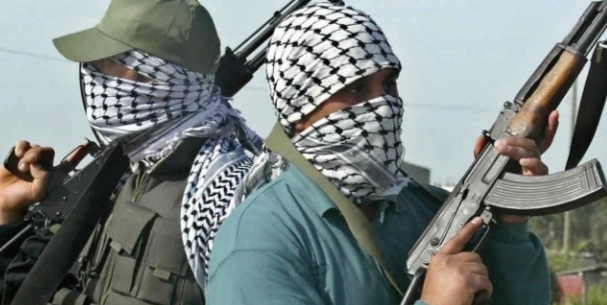
Explosions heard all over Iran as US strikes ...... Welcome to Glintnews......

Today in History the 14 Day of October , Here are some notable events that took place this Day
•1943: Jewish Prisoners in Sobibor revolved and escaped
- 1947: Chuck Yeager breaks the sound barrier.
- 1964: Martin Luther King Jr. is awarded the Nobel Peace Prize.
- 1981: Hosni Mubarak becomes President of Egypt.
FOCUS :
1981: Hosni Mubarak becomes President of Egypt.
1943: Jewish Prisoners in Sobibor revolted and escaped
October 14, 1981: Hosni Mubarak Becomes President of Egypt Following Anwar El-Sadat's Assassination

Hosni Mubarak became the President of Egypt on October 14, 1981, following the assassination of Anwar El-Sadat. Sadat was killed on October 6, 1981, during a military parade commemorating the 1973 Egyptian-Israeli war. Mubarak, who was the Vice President at the time, took over as President and led Egypt for nearly three decades, until his resignation in 2011.
Early Life and Military Career
Mubarak was born on May 4, 1928, in the Al-Minūfiyyah governorate of Egypt. His father, Hosni Mubarak senior, was a civil servant, and his mother was Safeya Kassim. Mubarak received his education at local schools in Monufia and Cairo. He graduated from the Egyptian Military Academy in 1949 and went on to receive advanced flight training in the Soviet Union.

Mubarak's military career spanned several decades, during which he held various command positions in the Egyptian air force. He was appointed Chief Commander of the Air Force by Sadat in 1972 and played a key role in the 1973 Egyptian-Israeli war, also known as the Yom Kippur War. In 1975, Sadat appointed Mubarak as Vice President of Egypt.
Assassination of Anwar El-Sadat
Anwar El-Sadat was assassinated during a military parade on October 6, 1981. The assassination was carried out by members of the Egyptian Islamic Jihad, who opposed Sadat's peace treaty with Israel. The assassins, led by Khalid Islambouli, opened fire on Sadat and other government officials, killing Sadat and several others.

Presidency
As President, Mubarak continued Sadat's policies, including the peace treaty with Israel. He maintained good relations with the United States, which remained Egypt's principal aid donor. During his presidency, Mubarak faced opposition from Islamic fundamentalists and survived several assassination attempts.
Mubarak implemented economic reforms, including privatization and liberalization, which had a significant impact on Egypt's economy. He also oversaw significant infrastructure development projects, including the expansion of the Suez Canal and the construction of new highways and bridges.
Domestic Policy Controversies
Mubarak's presidency was marked by controversy and criticism, particularly regarding his handling of domestic policy. He maintained a strong centralized government and limited political freedoms and opposition. Mubarak used emergency laws to suppress dissent and faced criticism for human rights abuses.

Foreign Policy
Mubarak's foreign policy focused on maintaining good relations with Western countries, particularly the United States. He played a key role in the Middle East Peace Process and participated in the Gulf War against Iraq in 1990-1991. Mubarak also maintained relations with European countries and international organizations.
Resignation and Later Life
Mubarak was forced to resign on February 11, 2011, following widespread protests and demonstrations. He was put on trial for corruption and human rights abuses and sentenced to life imprisonment in 2012. However, he was released in 2013.
Mubarak died on February 25, 2020, at the age of 91. His legacy continues to shape Egyptian politics and society today.

Legacy
Mubarak's presidency marked a significant period in Egyptian history. His economic reforms and infrastructure development had a lasting impact on the country. However, his suppression of opposition and human rights abuses remain controversial. Mubarak's legacy serves as a reminder of the complexities of Egyptian politics and the challenges faced by the country's leaders.
Impact on Egypt
Mubarak's presidency had a profound impact on Egypt, shaping the country's politics, economy, and society. His policies and decisions continue to influence Egypt's development and relations with the international community.
In conclusion, Hosni Mubarak's presidency was a defining period in Egyptian history, marked by significant events, controversies, and legacies. His impact on Egypt continues

SOBIBOR UPRISING: A DARING ACT OF RESISTANCE AGAINST NAZI OPPRESSION
October 14, 1943: A Day of Defiance and Escape
300 Jewish Prisoners Overpower Guards, Flee Extermination Camp in Poland
In a remarkable display of courage and resilience, approximately 300 Jewish prisoners staged a successful uprising against their Nazi captors at the Sobibor extermination camp in occupied Poland. Led by Alexander Pechersky, a Soviet Jew, the prisoners executed a meticulously planned rebellion, overpowering guards, seizing weapons, and making a desperate break for freedom.

Background: The Sobibor Extermination Camp
Sobibor, one of six Nazi extermination camps in Poland, was designed to carry out the systematic murder of Jews, Romani people, and other perceived enemies of the Third Reich. Between 1942 and 1943, an estimated 250,000 people were killed at Sobibor, with most victims arriving by train and being immediately sent to the gas chambers.
The Uprising: Planning and Execution
The Sobibor uprising was months in the making, with Pechersky and his co-conspirators carefully gathering intelligence, recruiting participants, and stockpiling resources. The rebels exploited the camp's layout and guard rotations to their advantage, waiting for the perfect moment to strike.
On October 14, 1943, the uprising began. Under the pretext of collecting uniforms, the prisoners lured several guards into a trap, killing them with axes and knives. The rebels then seized weapons and ammunition from the camp's arsenal, using them to attack guard towers and destroy key infrastructure.

As the uprising unfolded, prisoners set fire to buildings, including the camp's administration office and the gas chamber complex. The element of surprise worked in their favor, allowing the rebels to gain control of the camp.
Escape and Aftermath: A Desperate Bid for Freedom
Approximately 300 prisoners escaped from Sobibor, but freedom was short-lived for many. The Nazis launched a massive manhunt, deploying troops, police, and Ukrainian collaborators to track down the escapees.
Estimates suggest:
- 50-70 prisoners managed to escape successfully, with some joining partisan groups or finding refuge with local families.
- 200 were recaptured and killed, often in brutal public displays.
- Many more died in the surrounding forests and villages, succumbing to hunger, exhaustion, or Nazi patrols.

Leadership and Legacy: Alexander Pechersky
Alexander Pechersky, the uprising's leader, was a Soviet Jew and former Red Army soldier. Born in 1909 in Ryazan, Russia, Pechersky fought against the Nazis on the Eastern Front before being captured and sent to Sobibor.
Pechersky's bravery and strategic thinking inspired the prisoners to take action. His fate remains unclear, with some accounts suggesting he escaped to the Soviet Union, while others believe he was recaptured and killed.
Eyewitness Accounts: Survivors' Stories
"I saw people running, shouting, and fighting. It was chaos. I managed to escape with a group of friends, but we were constantly on the move, hiding from the Nazis." - Esther Raab, Sobibor survivor
"The uprising was a beacon of hope in a desperate situation. We knew it was a risk, but we had to try." - Toivi Blatt, Sobibor survivor
Remembrance and Legacy
Today, the site of the former Sobibor camp is a memorial and museum, honoring the victims and survivors of the Holocaust. The bravery of those who rose up against their oppressors will never be forgotten.

The Sobibor uprising serves as a testament to the resilience and defiance of those who resisted Nazi oppression. This courageous act will forever be etched in the history of the Holocaust.
Historical Significance: The Sobibor Uprising in Context
The Sobibor uprising was one of several notable acts of resistance during the Holocaust, including:
- The Warsaw Ghetto Uprising (1943)
- The Treblinka Uprising (1943)
- The Auschwitz-Birkenau Uprising (1944)
These acts of defiance demonstrate the unyielding spirit of those who refused to succumb to Nazi brutality.
Follow us on Youtube :http://www.youtube.com/@Glintnews24
We keep you informed and involved with anything from breaking news to thought-provoking opinion articles.