Explosions heard all over Iran as US strikes ...... Welcome to Glintnews......
Xenophobic Crisis Deepens: Malawi Evacuates 645 Citizens From South Africa As Fear, Violence And Mass Exodus Grip African Migrant Communities
June 15, 2026
The Republic of Malawi has launched an emergency mass evacuation operation to rescue hundreds of its citizens fleeing escalating xenophobic violence in South Africa, as fear and uncertainty continue to spread among African migrant communities across the country.
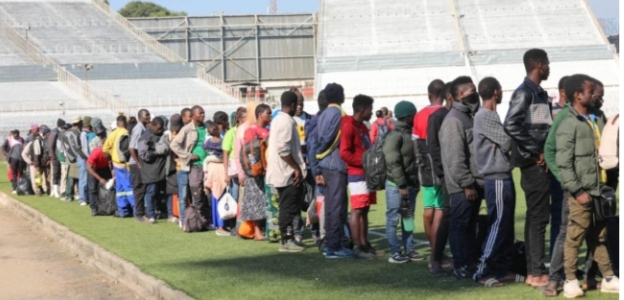
In a dramatic development that underscores the worsening security situation, the Malawian Ministry of Foreign Affairs and International Cooperation confirmed on Monday that a heavily secured convoy of eight buses carrying 645 traumatised Malawian nationals had officially departed South Africa en route to their homeland.
The evacuation comes amid reports of coordinated and targeted attacks against foreign nationals, particularly African migrants, whose homes, businesses and livelihoods have come under siege from hostile local groups.
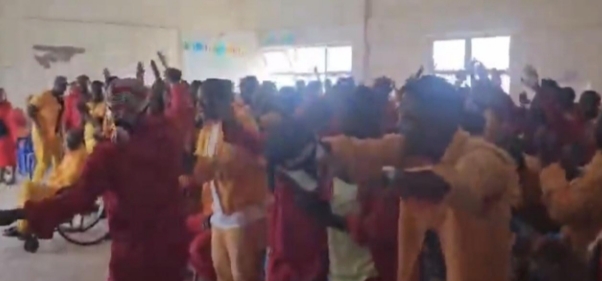
According to an official statement issued from Capital Hill in Lilongwe and shared on the ministry's X account, the evacuees were among thousands of displaced migrants who had been taking refuge under dire humanitarian conditions at a temporary shelter established inside Sherwood Town Hall in Durban, KwaZulu-Natal.

Authorities said the convoy is expected to arrive in Malawi through the Mwanza Border Post on Wednesday, June 17, 2026.
Upon arrival, the returnees will be transported to Kamuzu Stadium in Blantyre, where they will undergo biometric registration, medical examinations, psychological assessments and reintegration programmes before being returned to their various communities.
The evacuation highlights growing concerns over a resurgence of xenophobic sentiments in South Africa, a country that has repeatedly witnessed outbreaks of anti-immigrant violence over the past two decades.
Many foreign nationals have reportedly abandoned their homes and businesses amid fears of further attacks, while others have sought refuge in makeshift camps established by local authorities.
Human rights organisations have warned that the latest developments risk triggering a broader humanitarian crisis if urgent interventions are not implemented.
The crisis has been further inflamed by controversial narratives pushed by nationalist and anti-immigration groups, particularly the militant vigilante movement known as Operation Dudula.
The group and other right-wing political actors have reportedly exploited recent statistics regarding the country's labour market and academic workforce to fuel anti-migrant sentiments.
Documents circulating in public discourse indicate that Zimbabwean and Nigerian nationals collectively account for approximately 41 per cent of South Africa's foreign scholarly workforce, playing significant roles within universities, research institutions and other specialised sectors.
However, critics say these figures have been deliberately distorted to create the false impression that African migrants are "stealing jobs" from indigenous South Africans, thereby intensifying public hostility toward foreigners.
Analysts argue that such narratives ignore the economic contributions migrants make to South Africa's development and instead weaponise social frustrations stemming from unemployment, inequality and deteriorating public services.
South Africa is currently grappling with multiple domestic challenges, including persistent electricity shortages, infrastructure decay, rising unemployment and a struggling economy.
President Cyril Ramaphosa's administration has faced increasing criticism over its handling of these issues, with experts warning that political actors may be exploiting anti-immigrant rhetoric to divert attention from systemic governance failures.
Diplomatic observers fear the consequences could be severe if the trend continues.

According to analysts, the departure of skilled African workers, healthcare professionals, technicians, academics and entrepreneurs could significantly weaken South Africa's economic competitiveness and damage its reputation as Africa's leading industrial and investment hub.
The Malawian evacuation may only be the beginning.
Regional governments are closely monitoring the situation, with fears that more countries could be forced to organise similar emergency evacuations should the violence escalate further.
Observers warn that continued attacks on foreign nationals could undermine decades of African integration efforts and strain diplomatic relations among member states of the Southern African Development Community (SADC).
Human rights advocates are now calling on South African authorities to take decisive action to protect all residents regardless of nationality and restore confidence among migrant communities who have contributed significantly to the country's economy.
As hundreds of Malawians make the painful journey back home, the unfolding crisis serves as another stark reminder that xenophobia remains one of the continent's most persistent and dangerous challenges.
For many African migrants who once viewed South Africa as a land of opportunity, that dream is increasingly being replaced by fear, displacement and an uncertain future
We keep you informed and involved with anything from breaking news to thought-provoking opinion articles.