Explosions heard all over Iran as US strikes ...... Welcome to Glintnews......
‘Our Artistes Are Losing Millions, Businesses Are Suffering’ – South Africa Cries Out As Xenophobia Backfires Across Africa
June 15, 2026
South Africa has begun to count the economic and diplomatic costs of the growing backlash over recurring xenophobic attacks, as the country's government admits that its citizens, businesses and entertainers are increasingly paying the price for damaged relations with fellow African nations.
The South African government has openly lamented that the negative perception surrounding the country's treatment of foreign Africans is now hurting its own economy, with artistes losing international bookings and businesses facing mounting challenges across the continent.
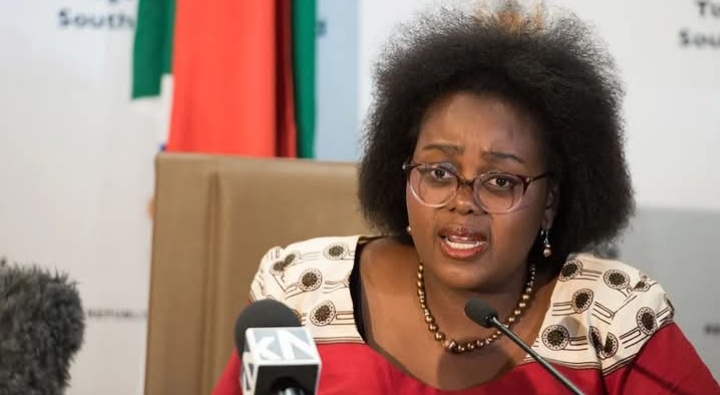
Speaking during an interview with South African Broadcasting Corporation (SABC) on Sunday, the Minister of Justice and Constitutional Development, Mmamoloko Kubayi, acknowledged that the country was experiencing serious consequences as outrage over alleged xenophobic actions spreads beyond its borders.
Kubayi, however, insisted that the recent mass evacuation operations conducted within South Africa were not acts of xenophobia but efforts specifically targeted at illegal immigrants residing in the country.
Despite the government's defence, she admitted that the backlash from other African countries has become impossible to ignore.
“We can’t lie about the backlash, and that is why part of the work that we are doing as government, as well through DECO, is engagement with businesses abroad, South African companies abroad,” Kubayi said.
She disclosed that South African authorities have begun providing support and consular services to affected businesses operating in other African countries and beyond.
“Minister Alamola has met with them, and we are providing services, support services and consular services for those businesses on the continent and outside the continent,” she added.
One of the biggest casualties of the growing anti-South African sentiment appears to be the country's entertainment industry.
According to Kubayi, numerous South African musicians and entertainers, who heavily rely on performances across the African continent, are now witnessing mass cancellations of their events.
“The majority of South African artistes perform on the continent, and many of them are seeing their gigs being cancelled,” she revealed.
The minister further disclosed that one entertainer personally contacted her to complain about the devastating financial impact.
“One artiste did reach out to me to say all her gigs were cancelled on the continent. This is an income lost by a South African,” Kubayi stated.
She urged African nations to separate the issue of illegal immigration from the treatment of lawful South African citizens living or working abroad.
“That is why let’s deal with the issue of illegal immigrants. Those you have within your borders legally, please protect them as you would protect South Africans,” she appealed.
The development comes amid increasing tensions between South Africa and several African countries over repeated accusations of xenophobic attacks against foreign nationals.
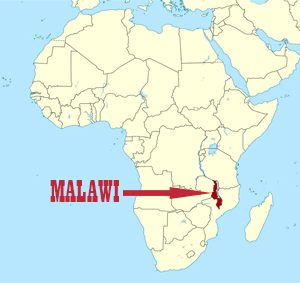
For years, citizens from Nigeria, Ghana, Malawi, Zimbabwe, Ethiopia and several other African nations have repeatedly become victims of violent attacks, looting and discrimination in parts of South Africa.
These incidents have triggered widespread anger across the continent and have severely strained diplomatic relationships.
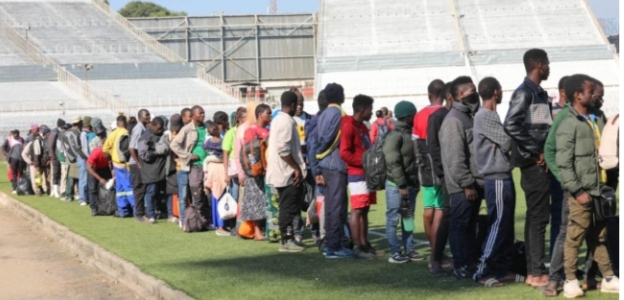
Recently, the situation escalated to the point where Nigeria, Ghana, Malawi and other countries reportedly evacuated some of their citizens from South Africa due to security concerns arising from fresh waves of xenophobic hostility.
Analysts warn that if the trend continues, South Africa risks further economic isolation from countries that have traditionally served as major markets for its businesses, entertainers and tourism industry.
The growing tensions also spilled into football during the ongoing 2026 FIFA World Cup.
South African captain Ronwen Williams recently expressed disappointment after noticing what he described as a lack of solidarity from fellow Africans during Bafana Bafana's opening match against Mexico.
South Africa suffered a 2-0 defeat to co-hosts Mexico in Group A, leaving the team under pressure to secure positive results in subsequent matches.
Speaking after the game, Williams said he was saddened by the apparent support many African fans gave to Mexico instead of South Africa.
“Africans have always supported other African countries in every World Cup tournament, but I can’t figure out why our own case is different,” Williams said.
“Many Africans supported Mexico, not us, the South Africans. We almost shed tears, but it’s truly sad.”
His comments quickly sparked debate on social media, with many Africans arguing that years of xenophobic attacks against fellow Africans in South Africa have damaged the spirit of continental unity.
Others, however, urged people to separate ordinary South Africans from the actions of criminal groups responsible for attacks on foreign nationals.
Observers say South Africa is now facing a difficult reality: the consequences of xenophobia extend far beyond politics and immigration debates.
What began as domestic tensions over illegal immigration has evolved into a continental crisis affecting diplomacy, trade, tourism, entertainment and even sports.
As African governments continue to demand better protection for their citizens, South Africa now faces the challenge of rebuilding trust and repairing relationships that have been severely damaged over the years.
Whether through stronger action against xenophobic violence or improved engagement with neighbouring countries, experts say restoring Africa's confidence in South Africa may take years.
For now, the message from Pretoria is clear: the economic and reputational cost of xenophobia is becoming too expensive to ignore
We keep you informed and involved with anything from breaking news to thought-provoking opinion articles.