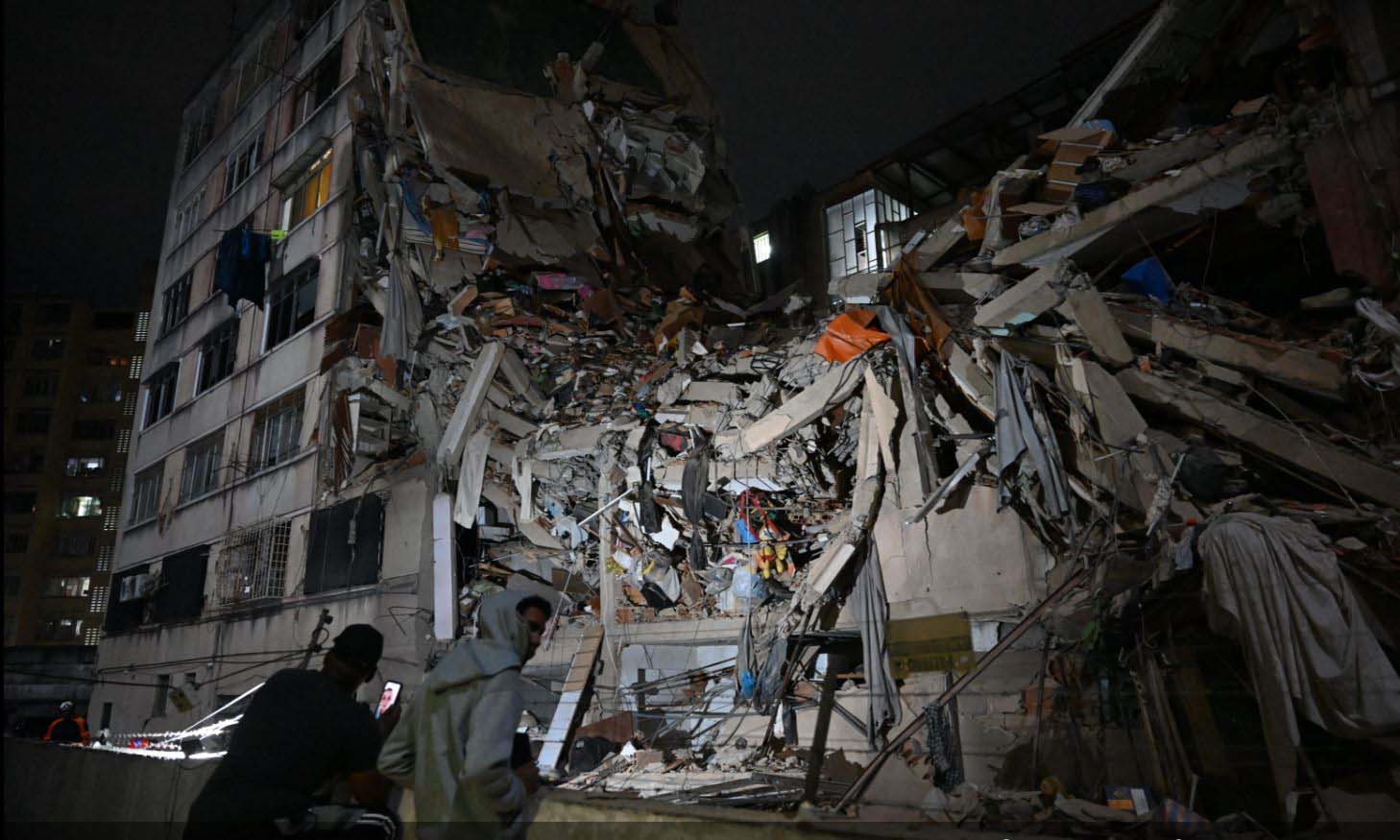
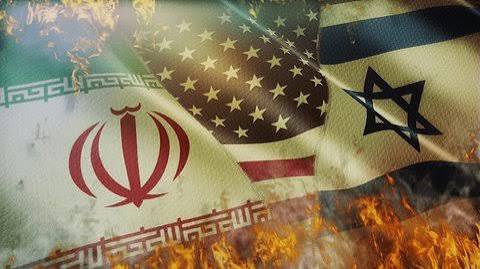
Explosions heard all over Iran as US strikes ...... Welcome to Glintnews......
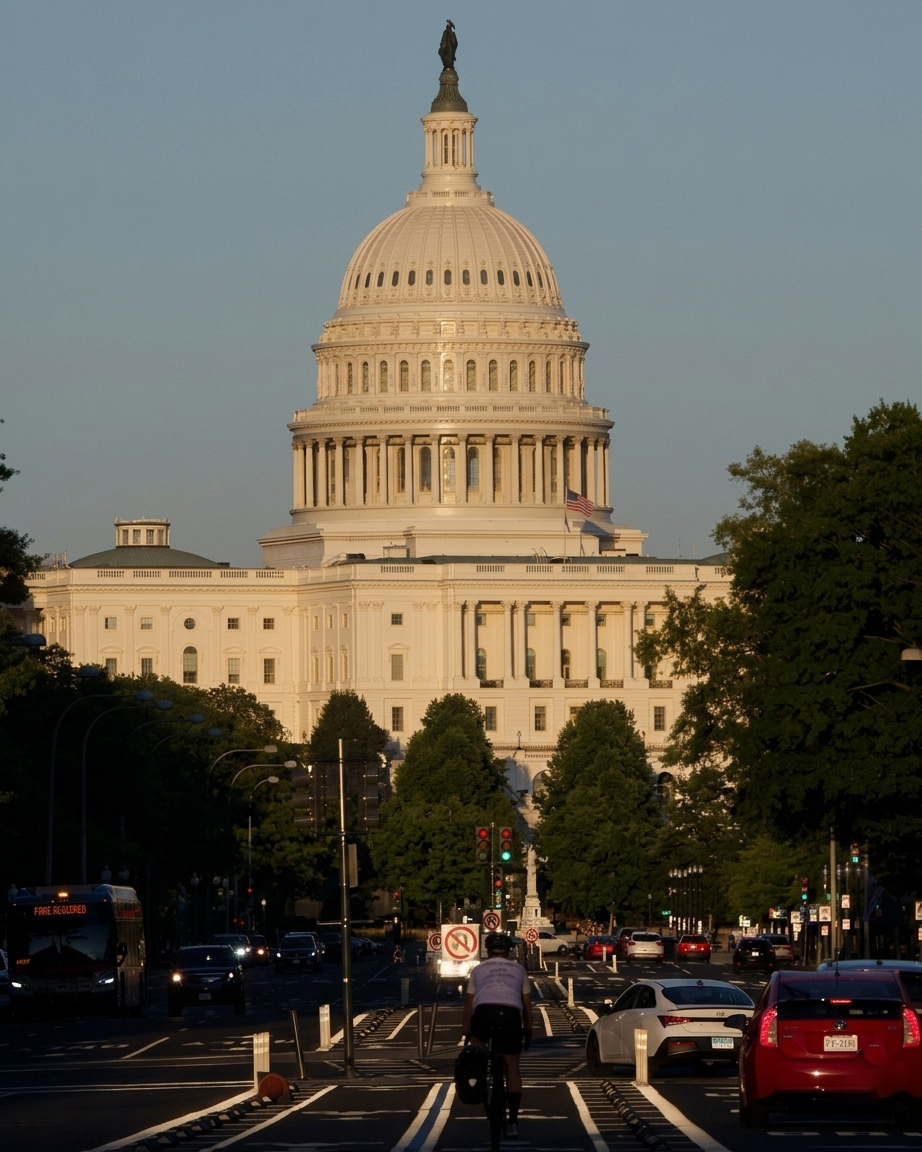
WASHINGTON, D.C. — In a rare display of bipartisan cooperation amid escalating tensions in the Middle East, the Republican-controlled U.S. House of Representatives has approved a War Powers Resolution designed to restrict President Donald Trump from launching further military operations against Iran without congressional authorization.
The vote marks one of the most significant legislative challenges to presidential war-making authority in recent years, reigniting a long-running constitutional debate over the balance of power between Congress and the White House in matters of military intervention.
Lawmakers supporting the resolution argued that any prolonged military engagement with Iran must receive explicit approval from Congress, emphasizing that the U.S. Constitution grants the legislative branch the authority to declare war.
“The decision to commit American forces to military conflict cannot rest solely in the hands of one individual,” several supporters of the measure stated during floor debates, framing the resolution as a defense of constitutional checks and balances rather than a judgment on current military strategy.
The House vote reflects growing concern among lawmakers over the potential expansion of U.S. military involvement in the region following recent hostilities involving Iran.
Supporters contend that Congress has increasingly ceded authority over military actions to successive administrations, allowing presidents of both parties to conduct overseas operations without formal declarations of war.
The resolution seeks to reassert congressional oversight and require the administration to obtain legislative approval before engaging in additional offensive military actions against Iran, except in cases involving an imminent threat to the United States or its armed forces.
Political analysts describe the measure as a significant symbolic rebuke to executive power, underscoring congressional unease over the possibility of a broader regional conflict.
Despite its passage in the House, the resolution faces considerable obstacles before it can become law.
The measure must still secure approval in the U.S. Senate, where its prospects remain uncertain due to partisan divisions and differing views on national security policy.
Even if the Senate adopts identical legislation, President Trump would retain the authority to veto the measure, requiring Congress to achieve a two-thirds majority in both chambers to override the presidential objection—a difficult threshold to meet.
As a result, many observers view the House vote primarily as a political and constitutional statement rather than an immediate constraint on military operations.
The resolution has also revived a longstanding legal dispute regarding the scope of presidential authority under the Constitution.
Advocates of congressional oversight argue that Article I clearly assigns the power to declare war to Congress, making legislative approval essential for sustained military campaigns.
Critics, however, maintain that the President’s constitutional role as Commander-in-Chief provides broad authority to direct military operations and respond rapidly to emerging threats without waiting for congressional action.
Legal scholars remain divided over whether War Powers resolutions can effectively limit presidential military decisions, particularly during active conflicts or national security emergencies.
“The constitutional boundaries between congressional war powers and presidential command authority have never been fully settled,” experts note, pointing to decades of legal and political disputes that have spanned multiple administrations.
The House vote arrives at a time of heightened international concern over the risk of a wider confrontation involving Iran and its regional allies. While the resolution may not immediately alter military operations, it signals growing pressure within Congress for greater oversight of U.S. involvement in foreign conflicts.
As lawmakers, legal experts, and the White House continue to debate the limits of executive authority, the outcome of this legislative battle could have lasting implications for how future American presidents conduct military operations abroad.
For now, the measure serves as a powerful reminder that the question of who ultimately controls the nation's war-making powers remains one of the most contested issues in American constitutional governance.
We keep you informed and involved with anything from breaking news to thought-provoking opinion articles.