Nigeria to Battle DRC today by 8:00Pm......
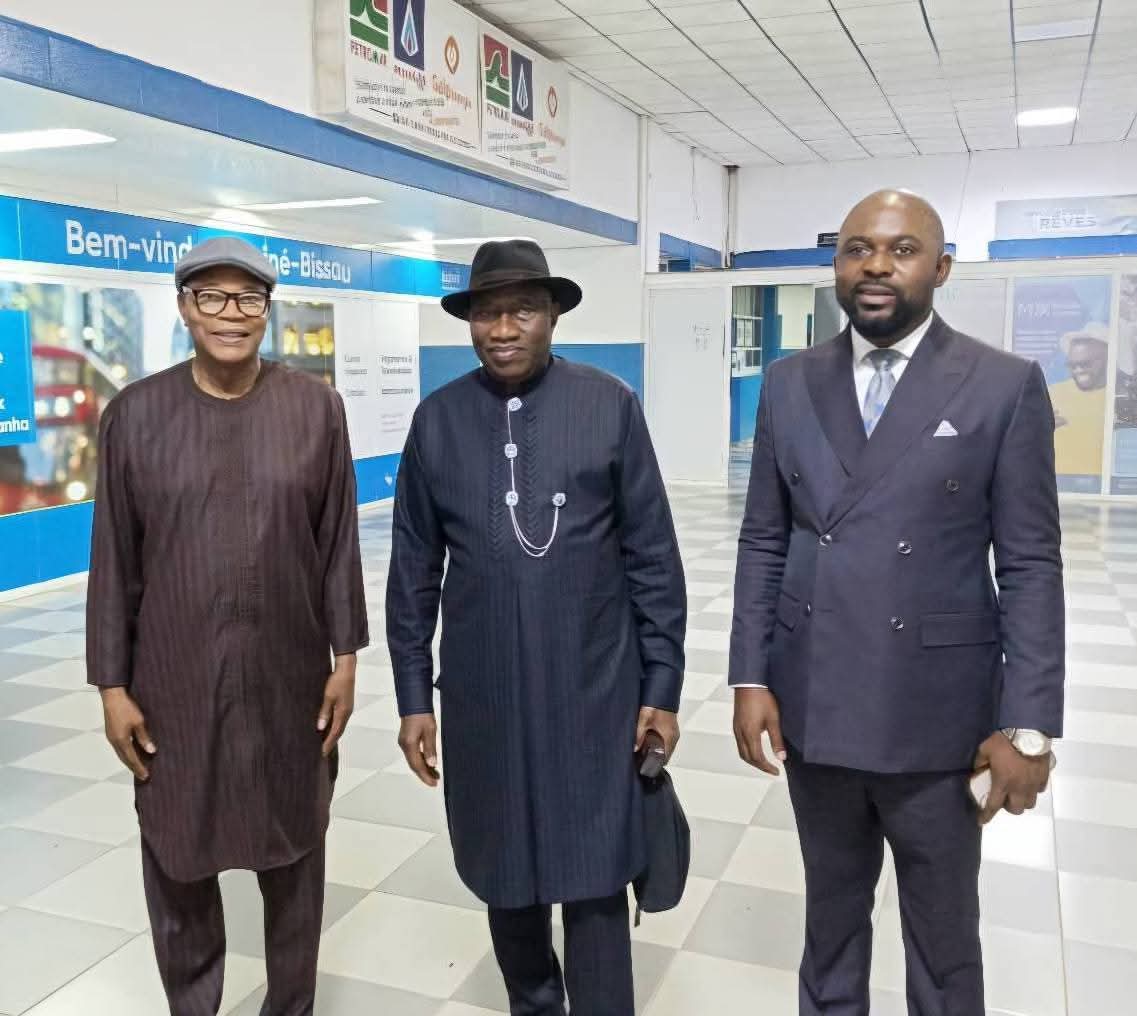
Jonathan Safety Concerns Surge as Guinea-Bissau Military Seizes Power, Arrests President and Shuts All Borders
Fresh tension has gripped West Africa after a sudden military coup in Guinea-Bissau left former Nigerian President Goodluck Jonathan stranded in the country, unable to leave due to a nationwide border shutdown imposed by the armed forces. The development is drawing strong international attention as diplomats scramble to understand the full scope of the takeover and its implications.

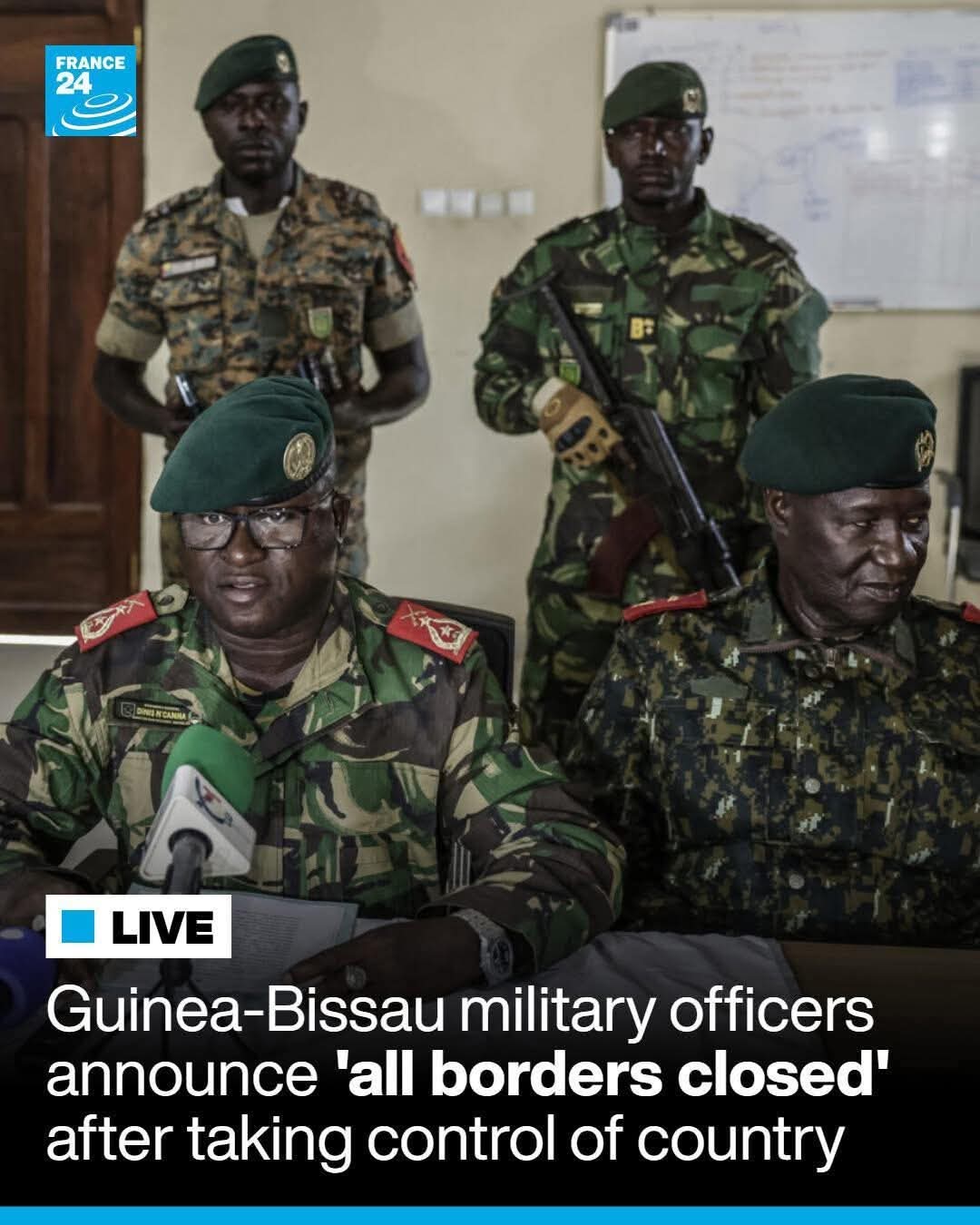
The situation escalated rapidly in the early hours of the morning when soldiers moved across key parts of the capital, Bissau, seizing government buildings, blocking major roads, and arresting the country’s president during coordinated operations that unfolded with little resistance. The military later announced that it had taken complete control of state institutions and would be assuming authority over governance until further notice.
The abrupt takeover has created widespread uncertainty, especially after the army ordered an immediate closure of all land routes, airports, and seaports, effectively trapping everyone within the country’s borders, including international officials. Jonathan, who travelled to Guinea-Bissau for an ECOWAS assignment aimed at supporting political dialogue, was preparing to leave when the lockdown was enforced. His team is now closely monitoring the fast-moving events while maintaining contact with partners across the region.
Diplomats familiar with the matter say Jonathan is safe and not in direct danger, but the unpredictable nature of the military’s next steps has prompted increased caution. The situation has placed added pressure on ECOWAS, the African Union, and foreign missions operating in the country, many of which have activated internal emergency protocols and instructed their staff to restrict movement. Several envoys have expressed concern that the coup could complicate ongoing stability efforts in West Africa, which is already dealing with a wave of unconstitutional changes of government.
Nigeria, which maintains strong interests in regional peacekeeping and democratic transitions, is expected to take a significant interest in developments. Although there has been no official statement from Abuja, it is believed that high-level consultations are underway, especially due to Jonathan’s presence in the country and the sensitive nature of his assignment. Analysts note that Nigeria will likely coordinate closely with ECOWAS leadership to ensure the safety of its former president while assessing the broader political impact of the coup.
The sweeping border closure has also affected thousands of residents and travelers, leaving airports silent, land crossings barricaded, and communication routes heavily monitored by soldiers. Local sources report that movement within Bissau has been significantly restricted as armed personnel maintain visible presence around government headquarters, the national broadcaster, and strategic installations.
Guinea-Bissau’s latest political upheaval marks yet another chapter in a country known for its turbulent leadership transitions. Over the years, power struggles between military factions and civilian authorities have repeatedly disrupted governance and weakened institutional stability. The sudden arrest of the president and the assertive posture of the military have already raised alarms among regional observers, who worry that prolonged instability could spill over into neighboring states.
Despite the tension, no large-scale violence has been reported, and international bodies are working quietly behind the scenes to establish communication channels with the coup leaders. Their immediate priorities include ensuring the welfare of foreign dignitaries, safeguarding diplomatic missions, and seeking clarity on the military’s plans for the coming days.

For now, West Africa watches closely as Guinea-Bissau navigates this new and uncertain period. Much will depend on how the military chooses to engage with regional partners, how they address the status of detained political leaders, and how quickly they outline a roadmap for restoring constitutional order. Until then, Jonathan and other international officials remain unable to leave the country, adding to the urgency surrounding the unfolding political crisis.
We keep you informed and involved with anything from breaking news to thought-provoking opinion articles.