Explosions heard all over Iran as US strikes ...... Welcome to Glintnews......
Cooking Gas Crisis Deepens as Prices Hit N2,400/kg, Leaving Nigerian Households Struggling
June 8, 2026
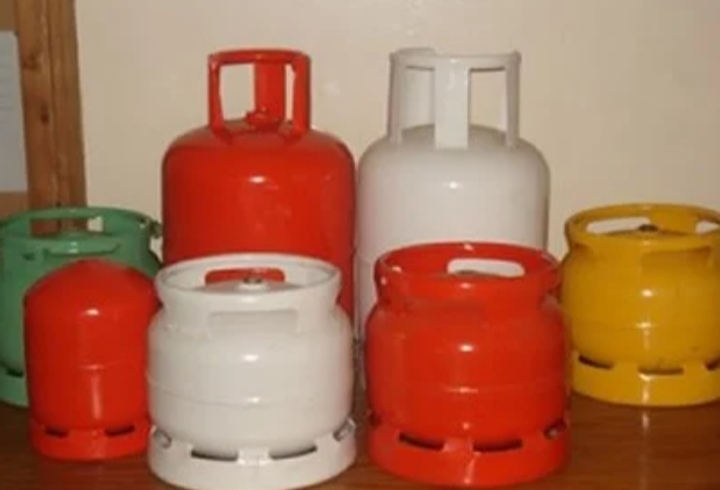
Millions of Nigerian households are facing mounting financial pressure as the price of cooking gas continues its relentless climb, with retail prices reaching as high as N2,400 per kilogramme in some parts of the country.
The sharp increase in the cost of Liquefied Petroleum Gas (LPG), commonly known as cooking gas, is worsening the country's cost-of-living crisis and forcing many families to reconsider how they prepare their daily meals.
Despite official figures showing significant local production of LPG, consumers are yet to experience any meaningful relief at the point of purchase. Data released by the Nigerian Midstream and Downstream Petroleum Regulatory Authority (NMDPRA) revealed that domestic refineries and gas processing plants supplied the majority of cooking gas consumed in Nigeria between April 2025 and April 2026.
However, the increased local supply has failed to translate into lower prices, sparking concerns among industry stakeholders and consumers alike.
The Nigerian Association of Liquefied Petroleum Gas Marketers (NALPGAM) has sounded the alarm over what it described as erratic supply patterns and escalating costs within the sector. The association warned that unless urgent measures are taken, Nigerians could soon face a severe shortage of cooking gas.
In a statement jointly signed by its National President, Edu Inyang, and Executive Secretary, Bassey Essien, NALPGAM disclosed that marketers currently purchase 20 metric tonnes of cooking gas at prices ranging between N25.2 million and N26.2 million.
According to the association, the soaring cost is making the product increasingly inaccessible to ordinary Nigerians.
"The citizens of Nigeria now have to buy cooking gas, which should be a social commodity, at a prohibitive cost of over N1,500 per kilogramme," the statement noted.
NALPGAM further warned that the situation could undermine years of government campaigns aimed at encouraging Nigerians to adopt cleaner energy sources. The association stressed that many households may be forced to abandon cooking gas and return to firewood, charcoal, and kerosene if prices continue to rise.
Industry experts fear such a shift could reverse progress made in reducing environmental pollution and health risks associated with traditional cooking fuels.
For small-scale retailers and distributors, the rising cost of gas is equally troubling. Many operators say they are struggling to balance operational expenses while maintaining affordable prices for customers.
A gas reseller in Ibadan, Oyo State, Opeyemi Olaire, explained that transportation costs have become a major factor driving up retail prices.
"I sell at N2,400 per kilogramme. If I buy from Gasland at N1,700 and use an okada to transport it for N600, how much do you want me to sell it for? The government should look for a way to bring the price down," she said.
Her concerns reflect the realities facing numerous gas vendors nationwide, many of whom cite rising logistics expenses, transportation challenges, and operational costs as key contributors to the persistent increase in prices.
The impact is being felt most severely by low-income earners and small business owners who depend heavily on cooking gas for daily operations. Food vendors, restaurants, bakeries, and other small enterprises are now spending significantly more on energy, costs that are often transferred to consumers through higher prices for goods and services.
Economic analysts warn that continued increases in cooking gas prices could further fuel inflation and worsen household hardship at a time when Nigerians are already grappling with high food prices, transportation costs, and energy expenses.
As concerns grow, stakeholders are calling on the Federal Government to implement policies that will stabilize the LPG market, improve supply chain efficiency, and reduce transportation costs. They argue that with Nigeria's vast gas reserves and increasing domestic production capacity, consumers should not be paying some of the highest cooking gas prices in recent years.
For millions of Nigerians, however, the immediate concern remains simple: how to afford the fuel needed to cook daily meals in an economy where every naira counts.
With cooking gas increasingly slipping beyond the reach of average households, pressure is mounting on authorities to intervene before the situation escalates into a full-blown energy affordability crisis.
We keep you informed and involved with anything from breaking news to thought-provoking opinion articles.