Explosions heard all over Iran as US strikes ...... Welcome to Glintnews......
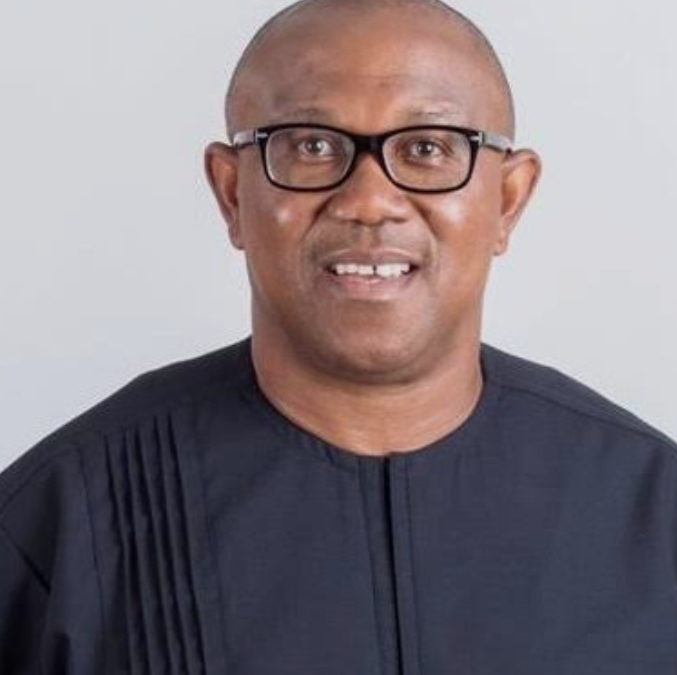
'Crime Has No Tribe': Peter Obi Condemns Ethnic Profiling, Urges Nigerians to Reject Stereotypes Against Fulani and Other Ethnic Groups
June 8, 2026
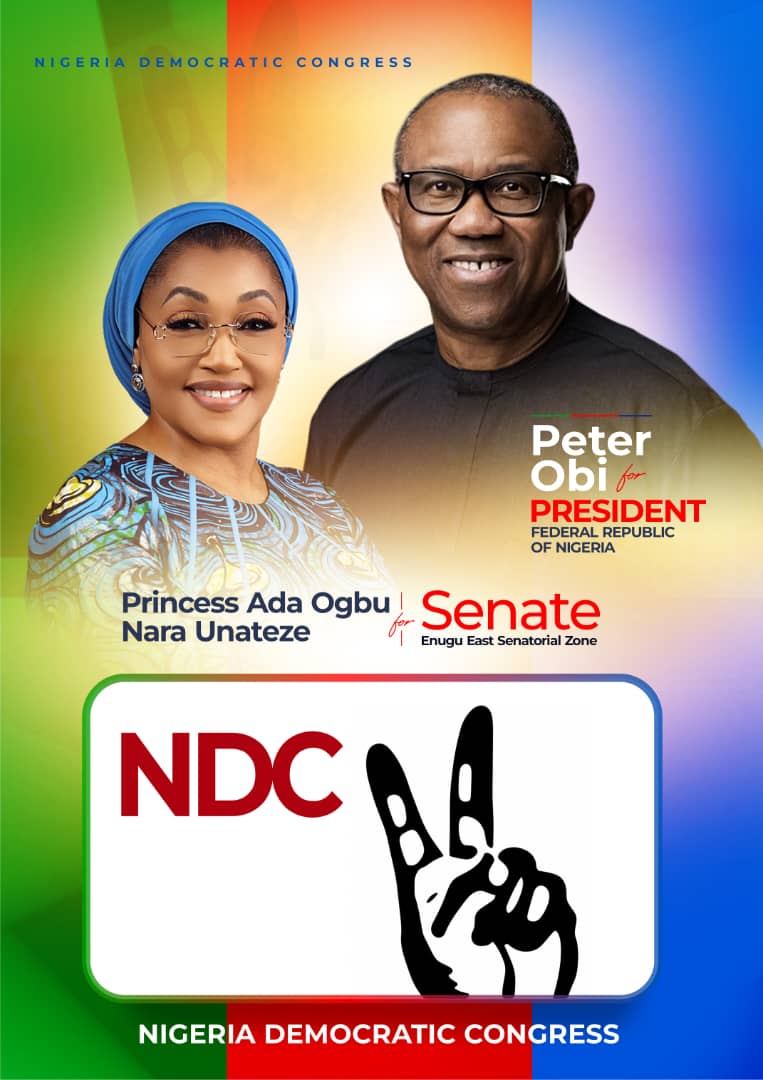
The presidential candidate of the Nigeria Democratic Congress (NDC) for the 2027 election, Peter Obi, has strongly condemned the growing trend of ethnic profiling in Nigeria, warning that the dangerous practice of linking criminal activities to entire ethnic groups threatens national unity, fuels hatred, and deepens social divisions.
In a strongly worded statement shared on his X account on Monday, June 8, 2026, titled “Media Framing of Crime Along Ethnic Lines: Divisive,” the former Anambra State governor urged Nigerians, media organisations, and political leaders to avoid narratives that unfairly stigmatise entire communities for the actions of a few criminals.
Obi, who has frequently spoken about national unity and inclusion, said he personally understands the pain of prejudice and stereotyping because of his own experiences as an Igbo man.
Reflecting on years of ethnic bias and assumptions, Obi noted that many Nigerians have at one point or another faced discrimination based solely on their ethnic identity rather than their individual character.
“As an Igbo man, I have endured stereotypes, judgment, and labelling solely based on my ethnic origins. This is not an isolated Igbo experience. Most Nigerians have, at some point, been reduced to their ethnicity rather than recognised for their true character,” Obi stated.
According to him, ethnic stereotyping remains one of the major obstacles to building a united and prosperous Nigeria, as it encourages suspicion and mistrust among citizens who should otherwise be working together for national development.
The former governor specifically addressed the increasing tendency to associate all Fulani people with insecurity, banditry, kidnapping, and violent crimes, stressing that millions of law-abiding Fulani citizens should not be blamed for the actions of criminal elements.
He said innocent Fulani families, traders, students, professionals, and herders are often subjected to unfair treatment because of widespread assumptions that equate Fulani identity with criminality.
“I understand the pain of the ordinary Fulani man today, often unfairly judged by the actions of criminals he does not support, has never met, and who are not representative of his people,” Obi said.
His comments come at a time when public debates over insecurity, terrorism, banditry, farmer-herder conflicts, and kidnapping have intensified across the country, with many discussions focusing on the ethnic identities of suspected perpetrators.
Obi maintained that criminality should never be viewed through an ethnic lens, insisting that wrongdoing is an individual act that must be punished according to law, regardless of the offender’s tribe, religion, or background.
In one of the most striking parts of his statement, he emphasized that criminals should be identified by their actions, not by their ethnicity.
“Every Nigerian ethnic group is known for its unique traditions, occupations, skills, and strengths. Crime, however, has no ethnicity. A thief is a thief. A terrorist is a terrorist. A kidnapper is a kidnapper. They are bad actors, not representatives of any people. They must be identified, arrested, and punished according to the law.”
The former governor argued that attributing criminal acts to entire ethnic groups not only misrepresents reality but also creates resentment among innocent citizens who have committed no wrongdoing.
Obi also drew parallels between Nigeria’s ethnic divisions and historical struggles against racial discrimination in other parts of the world, particularly in the United States.
Referencing the late civil rights icon Martin Luther King Jr., he said societies progress when people are judged based on their character and actions rather than their identity.
“Even in America, such unjust labelling fueled the civil rights movement and prompted Martin Luther King Jr. to declare that people should be judged by the content of their character, not the colour of their skin.”
According to Obi, the same principle should apply in Nigeria, where citizens should be evaluated by their conduct and contribution to society rather than by ethnic origin.
For years, discussions around insecurity in Nigeria have frequently intersected with debates about the Fulani ethnic group.
The Fulani are among West Africa’s largest and most widely dispersed ethnic communities, with populations stretching across several countries, including Senegal, Guinea, Mali, Niger, Cameroon, Chad, and Nigeria. They comprise diverse groups, including pastoralists, farmers, traders, academics, religious scholars, civil servants, entrepreneurs, and professionals.
In Nigeria, however, the activities of some criminal gangs and armed groups believed to be of Fulani origin have contributed to widespread perceptions linking the entire ethnic group to violence and insecurity.
Farmer-herder clashes, bandit attacks, cattle rustling, kidnappings, and other violent incidents in parts of the country have further intensified these perceptions, leading to increasing cases of collective blame directed at Fulani communities.
Observers have repeatedly warned that such generalisations risk alienating innocent citizens and undermining efforts to address the root causes of insecurity.
Security analysts argue that criminal networks often cut across ethnic, religious, and regional lines, making it inaccurate and dangerous to attribute criminality to any single group.
Obi also accused some political actors and vested interests of exploiting ethnic and religious differences for personal or political gain.
According to him, divisive narratives are often used to manipulate public opinion, distract citizens from pressing national issues, and deepen existing tensions.
“Let us proudly celebrate our diverse cultures, talents, and contributions, rather than falling prey to stereotypes and prejudices that politicians and divisive interests exploit for their gain.”
He called on Nigerians to reject attempts to pit one ethnic group against another and instead focus on building a nation founded on justice, fairness, and mutual respect.
Concluding his message, Obi reiterated his vision of a Nigeria where citizens are not judged based on their tribe, religion, language, or place of birth.
He urged Nigerians to embrace unity while preserving their cultural identities, insisting that national progress can only be achieved through inclusiveness and equal treatment of all citizens.
“A new Nigeria must emerge—one where no citizen is condemned because of tribe, religion, or birthplace. We can cherish our cultural roots while standing united by justice, mutual respect, and hope for a better future. We are capable of this.”
As Nigeria continues to grapple with security challenges and increasing ethnic tensions, Obi’s remarks have reignited conversations about responsible media reporting, national cohesion, and the need to separate criminal acts from ethnic identity.
For many observers, the debate goes beyond politics. It touches on a fundamental question facing Africa’s most populous nation: whether Nigerians can overcome the stereotypes and divisions that have long hindered national unity and instead build a society where individuals are judged not by where they come from, but by who they are
We keep you informed and involved with anything from breaking news to thought-provoking opinion articles.