Explosions heard all over Iran as US strikes ...... Welcome to Glintnews......
EXODUS FROM FEAR: Ghana Evacuates Nearly 1,000 Citizens From South Africa As Xenophobic Violence Escalates
June 8, 2026
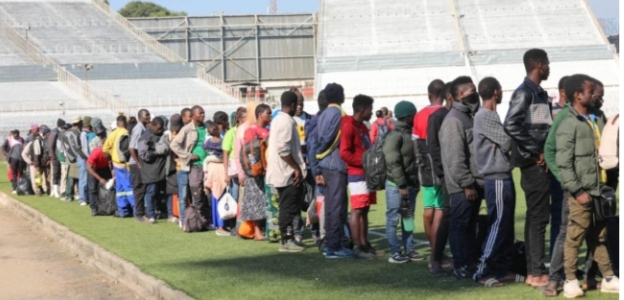
The Government of Ghana has intensified efforts to protect its citizens abroad, successfully evacuating another 342 Ghanaians from South Africa amid rising xenophobic attacks and growing hostility toward foreign African nationals.
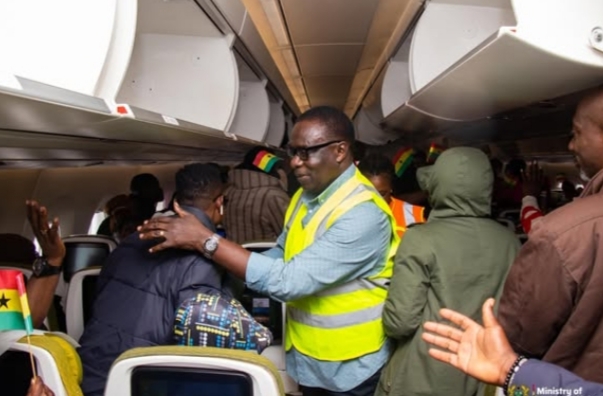
The latest group of evacuees arrived safely in Accra on Sunday, June 7, 2026, aboard the third government-organised repatriation flight. Their return marks a significant milestone in Ghana's emergency response, bringing the total number of citizens evacuated from South Africa to nearly 1,000 as tensions continue to mount in several communities across the country.
The evacuation comes against the backdrop of renewed anti-immigrant sentiment and violence that has increasingly targeted African migrants living and working in South Africa. In recent months, reports of intimidation, harassment, forced displacement, looting of businesses, and physical attacks have raised alarm among foreign communities and governments across the continent.
In a statement accompanied by photographs shared on its official X account, Ghana's Ministry of Foreign Affairs confirmed the arrival of the returnees and outlined plans to support their reintegration into Ghanaian society.
Senior government officials were present at the reception ceremony to welcome the evacuees and reassure them of the government's commitment to their welfare. Among those in attendance were Deputy Chief of Staff in charge of Administration, Nana Oye Bampoe Addo; Deputy Minister for Foreign Affairs, James Gyakye Quayson; officials from the National Disaster Management Organisation (NADMO); and representatives of the National Youth Authority (NYA).
Addressing the returnees, Bampoe Addo emphasized that the government would continue to stand by them as they begin a new chapter back home.
She assured them that comprehensive support measures were being developed to help them recover from the disruption caused by their sudden departure from South Africa and successfully reintegrate into Ghana's economic and social landscape.
Speaking at the event, Deputy Foreign Affairs Minister James Gyakye Quayson described Ghanaians living abroad as the country's "17th Region," highlighting the crucial role the diaspora plays in national development.
He acknowledged the sacrifices and contributions made by Ghanaians overseas and reaffirmed the government's commitment to protecting their interests regardless of where they reside.
According to the Foreign Affairs Ministry, many of the returnees expressed appreciation for the swift intervention by the government, noting that the evacuation provided a safe exit from an increasingly uncertain and hostile environment.
South African authorities also commended the coordinated effort. The Border Management Authority (BMA) described the operation as a successful example of collaboration between Ghanaian diplomatic missions and South African migration officials.
BMA Commissioner Dr. Michael Masiapato praised all agencies involved in facilitating the safe return of the Ghanaian nationals and stressed the importance of continued cooperation between foreign governments and South African authorities.
"The repatriation of these Ghanaian nationals demonstrates effective cooperation between the Government of Ghana, through its High Commission in Pretoria, and South African authorities responsible for migration management and border security," Masiapato said.
He further noted that coordinated migration management remains essential in ensuring compliance with immigration regulations while safeguarding the rights and dignity of affected individuals.
The latest evacuation highlights a troubling resurgence of xenophobic tensions in South Africa, a country that has experienced repeated outbreaks of anti-immigrant violence over the past two decades.
Since 2008, waves of xenophobic attacks have periodically erupted across South Africa, leaving scores of people dead, hundreds injured, and thousands displaced. Foreign nationals from several African countries, including Nigeria, Zimbabwe, Mozambique, Somalia, Ethiopia, and Ghana, have often borne the brunt of the violence.
Many migrant-owned businesses have been looted or destroyed during previous outbreaks, while victims have reported being targeted simply because of their nationality.
The current climate of hostility has reignited concerns among African governments, human rights organizations, and regional bodies about the safety of migrants living in South Africa and the broader implications for African unity and integration.
For many of the evacuees arriving in Accra, the journey home represents both relief and uncertainty. While grateful to have escaped the threat of violence, many are now faced with rebuilding their lives after leaving behind jobs, businesses, homes, and personal investments accumulated over years of residence in South Africa.
As Ghana continues to welcome its returning citizens, the government has pledged to provide support aimed at easing their transition and helping them regain stability.
The latest evacuation underscores the growing urgency of addressing xenophobia across Africa and ensuring that citizens can live, work, and pursue opportunities anywhere on the continent without fear of discrimination, violence, or persecution.
With nearly 1,000 Ghanaians now repatriated from South Africa, the crisis serves as a stark reminder of the human cost of xenophobic violence and the pressing need for lasting solutions to protect migrants and strengthen solidarity among African nations
We keep you informed and involved with anything from breaking news to thought-provoking opinion articles.