Explosions heard all over Iran as US strikes ...... Welcome to Glintnews......
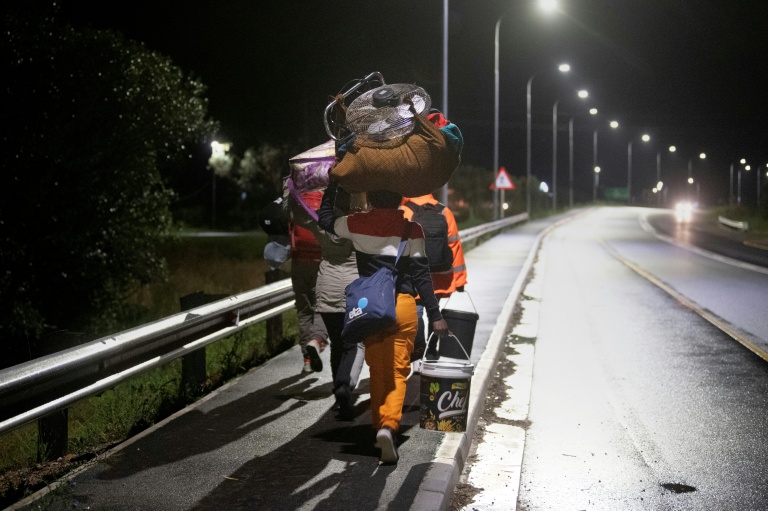
Hundreds of foreign nationals have reportedly fled their homes across parts of South Africa's south coast following a fresh outbreak of anti-migrant violence, raising fears of another wave of xenophobic attacks in Africa's most industrialized economy.
Disturbing scenes from affected communities show families carrying bags, suitcases, and other personal belongings as they move along highways and rural roads in search of safety after being driven from their homes by hostile groups.
According to reliable sources, anti-migrant protesters have been moving from house to house in some communities, allegedly identifying and targeting foreign nationals before forcing them to leave. The unrest has reportedly displaced hundreds of people, many of whom have sought refuge in community centers, temporary shelters, and places of worship.
Footage circulating online shows men, women, and children walking long distances with their possessions, uncertain of where they would spend the night as violence and intimidation spread through affected areas.
Witnesses said tensions escalated following local demonstrations against foreign nationals, creating widespread panic among migrant communities. Some residents reportedly fled without warning, abandoning homes and businesses, while others locked themselves indoors to avoid confrontation.
One displaced Zimbabwean migrant, Thomas Vincent Balogoi, described the traumatic experience of being forced to leave his community.
"The people just chased us away. They didn't ask us whether we have documents or not. They just chased us away like dogs," he said.
His testimony reflects concerns expressed by many migrants who claim they were targeted regardless of their legal status.
Another displaced resident, Michael Markson, said fear continues to grip foreign communities in the area.
"In the community, there were Somalians, Malawians, Zimbabweans, Zambians, and Congolese people. Many of them are afraid. Others are still there living, but they are locked inside their houses," he said.
The fear of renewed attacks has reportedly left many migrants unwilling to leave their homes even for essential activities, further worsening their living conditions.
For many victims, the crisis extends beyond displacement. Several migrants said they have lost access to their homes, jobs, businesses, and personal possessions as a result of the violence.
Tallibo Mbewe, another affected migrant, appealed for urgent assistance from authorities and humanitarian organizations, saying many displaced persons now wish to return to their home countries after losing everything they worked to build.
"We need assistance to go back home. Many people have nothing left," he said.
Humanitarian organizations and community groups have expressed growing concern over the welfare of displaced migrants, warning that many face increasing risks of homelessness, hunger, and further violence if urgent intervention is not provided.
The crisis has also attracted attention from several African governments whose citizens are among those affected by the unrest.
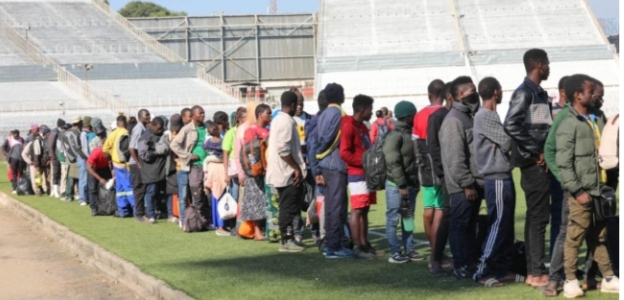
Speaking to a group of citizens recently repatriated following similar attacks, Ghana's Foreign Affairs Minister, Samuel Okudzeto Ablakwa, encouraged them not to lose hope despite the painful circumstances surrounding their return.
"We don't want any of you to feel broken-hearted, don't be down-hearted, don't be depressed. Have confidence that the Almighty has better plans for you," he said.
His remarks reflect growing concern across the continent about the safety and protection of African migrants living in South Africa.
The latest violence has once again brought South Africa's longstanding xenophobia challenge into sharp focus.
For years, migrants from countries including Zimbabwe, Nigeria, Somalia, Malawi, Zambia, and the Democratic Republic of the Congo have periodically become targets of violence during periods of economic hardship, unemployment, and social tension.
Analysts note that foreign nationals are frequently blamed for challenges such as job scarcity, crime, and pressure on public services, despite repeated calls for evidence-based discussions and peaceful solutions to social and economic grievances.
Human rights organizations have repeatedly condemned attacks against migrants and urged South African authorities to hold perpetrators accountable while ensuring the protection of vulnerable communities.
Advocacy groups are now calling for urgent government intervention to restore order, protect displaced persons, and prevent further violence as tensions continue to rise.
As hundreds remain displaced and many others live in fear behind locked doors, concerns are mounting that the situation could deteriorate further if swift action is not taken.
For families now sleeping in temporary shelters or walking uncertain roads with their lives packed into a few bags, the crisis is more than a political debate—it is a daily struggle for safety, dignity, and survival.
With images of frightened families fleeing their homes continuing to circulate widely, pressure is growing on South African authorities to contain the violence and reassure foreign nationals that they can live and work without fear of persecution.
For now, many displaced migrants face an uncertain future, hoping that calm will return before more lives are uprooted by yet another wave of xenophobic unrest.
We keep you informed and involved with anything from breaking news to thought-provoking opinion articles.