Explosions heard all over Iran as US strikes ...... Welcome to Glintnews......
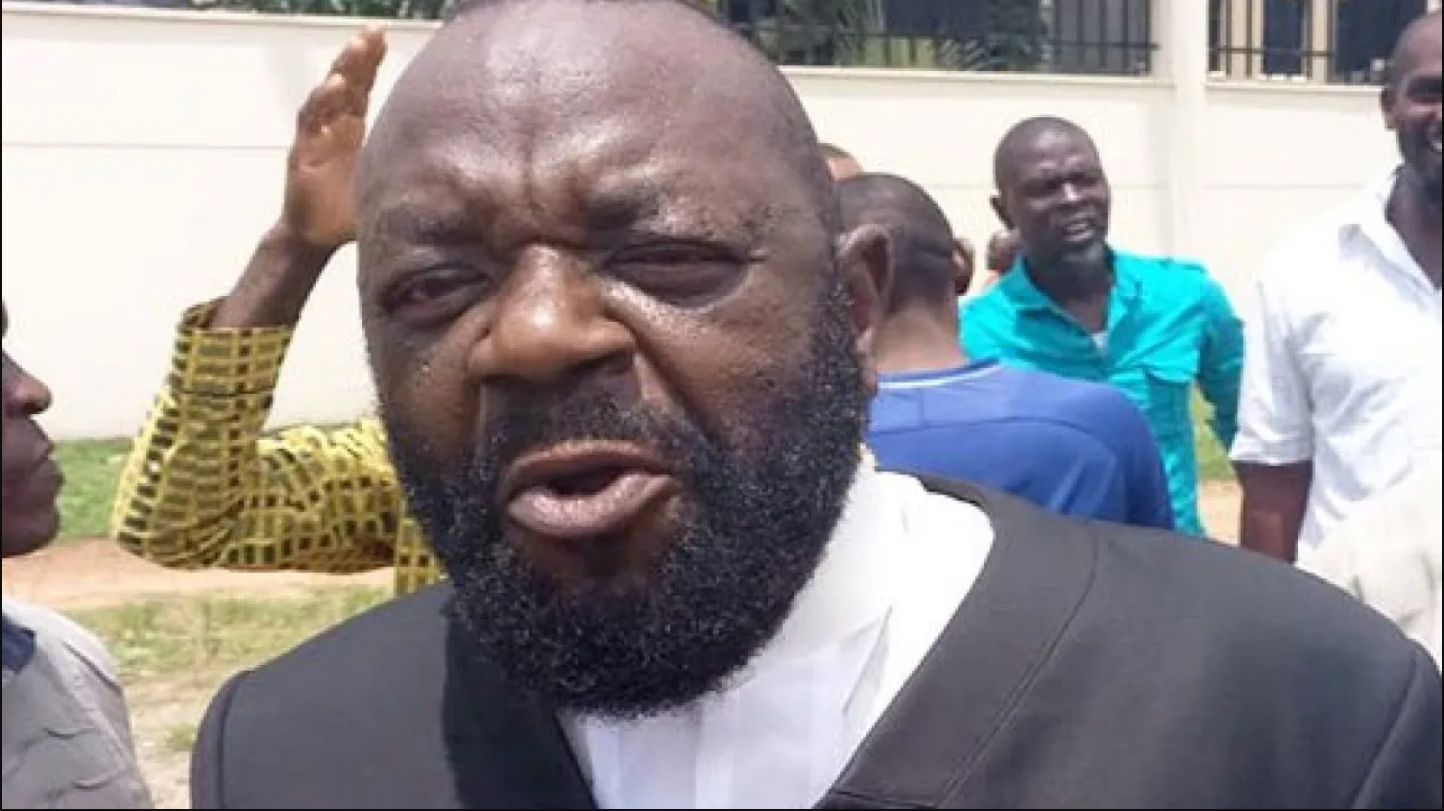
'If They Think They Are Tough, We Are Tougher’: Nnamdi Kanu’s Lawyer Ejimakor Fires Back as Trial Over #FreeNnamdiKanu Protest Begins
Barrister Aloy Ejimakor, Special Counsel to the detained leader of the Indigenous People of Biafra (IPOB), Nnamdi Kanu, has vowed to mount a fierce legal battle against criminal charges brought against him and several activists over their participation in a protest demanding Kanu’s release.
Ejimakor made the declaration on Friday while heading to the Kuje Magistrate Court in Abuja, where proceedings in the controversial case commenced. The lawyer, who is standing trial alongside activist and former presidential candidate Omoyele Sowore and other supporters of Kanu, described the prosecution as an assault on constitutional freedoms and democratic rights.
Speaking in a video recorded on his way to court, Ejimakor expressed confidence in his legal position and insisted that neither he nor the other defendants committed any offence by participating in a peaceful protest.
“I am facing criminal prosecution that could send me to jail for I don't know how many years for daring to protest for the release of Mazi Nnamdi Kanu or for the halting of his prosecution,” he said.
The outspoken lawyer maintained that the case represents a broader attempt to criminalise peaceful dissent and suppress citizens’ rights to free speech and lawful assembly.
“The trial will commence at 9 a.m. and we don't know how it's going to go, but let's get ready to rumble,” Ejimakor stated.
In a defiant message directed at the authorities prosecuting the case, he declared: “If they think they are tough, we are tougher. We didn't do anything wrong in exercising our constitutional right to protest or our constitutional right to free expression.”
According to him, the defence team is fully prepared to challenge the charges in court and push back against what they view as an unjust prosecution.
“It is on that premise that we are going to stand to launch a strong defence and successfully push back this prosecution,” he added.
The legal battle stems from events that unfolded on October 20, 2025, when a group of activists and supporters staged the #FreeNnamdiKanuNow protest in Abuja.
Among those arrested by operatives of the Nigeria Police Force were Omoyele Sowore, Barrister Aloy Ejimakor, Nnamdi Kanu’s younger brother, Prince Emmanuel Kanu, and several other demonstrators.
The protesters were taken into custody and later remanded at the Kuje Correctional Centre following their arrest. Their detention sparked criticism from supporters and civil rights advocates who argued that the protest was peaceful and protected under the Nigerian Constitution.
Days later, the defendants regained their freedom after meeting bail conditions imposed by a Magistrate Court sitting in Kuje.
The defendants were subsequently arraigned before Magistrate Abubakar Umar Sai’id on charges reportedly bordering on unlawful assembly and disturbance of public peace.
In his ruling, the magistrate granted each defendant bail in the sum of N500,000, subject to several conditions. The court directed them to present verified National Identification Numbers (NIN), submit their passports, and provide three years’ tax clearance certificates as part of the requirements for their release.
Despite securing bail, the defendants have continued to challenge the legitimacy of the charges, insisting that their actions were peaceful and constitutionally protected.
Friday’s trial has once again drawn national attention to the long-running controversy surrounding the detention and prosecution of IPOB leader Nnamdi Kanu.
Kanu’s supporters have repeatedly called for his release, while the Federal Government has maintained its legal case against him. The latest proceedings involving his supporters and legal representatives are expected to further intensify debate over civil liberties, freedom of expression, and the right to peaceful protest in Nigeria.
As the case unfolds in court, political observers and human rights advocates will be watching closely to see whether the prosecution can sustain its case against the activists or whether the defendants’ constitutional arguments will prevail.
For Ejimakor and his co-defendants, however, the message remains clear: they intend to fight the charges to the very end.
“If they think they are tough, we are tougher,” the lawyer declared, setting the tone for what could become a closely watched legal showdown with significant implications for protest rights and civic freedoms in Nigeria.
We keep you informed and involved with anything from breaking news to thought-provoking opinion articles.