Explosions heard all over Iran as US strikes ...... Welcome to Glintnews......
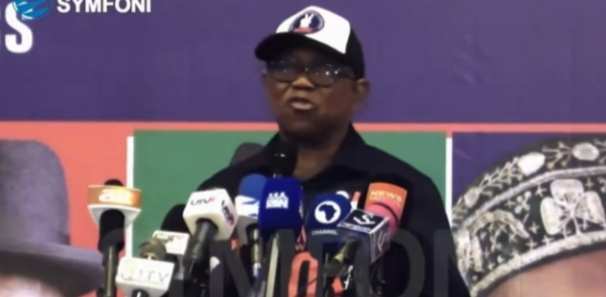
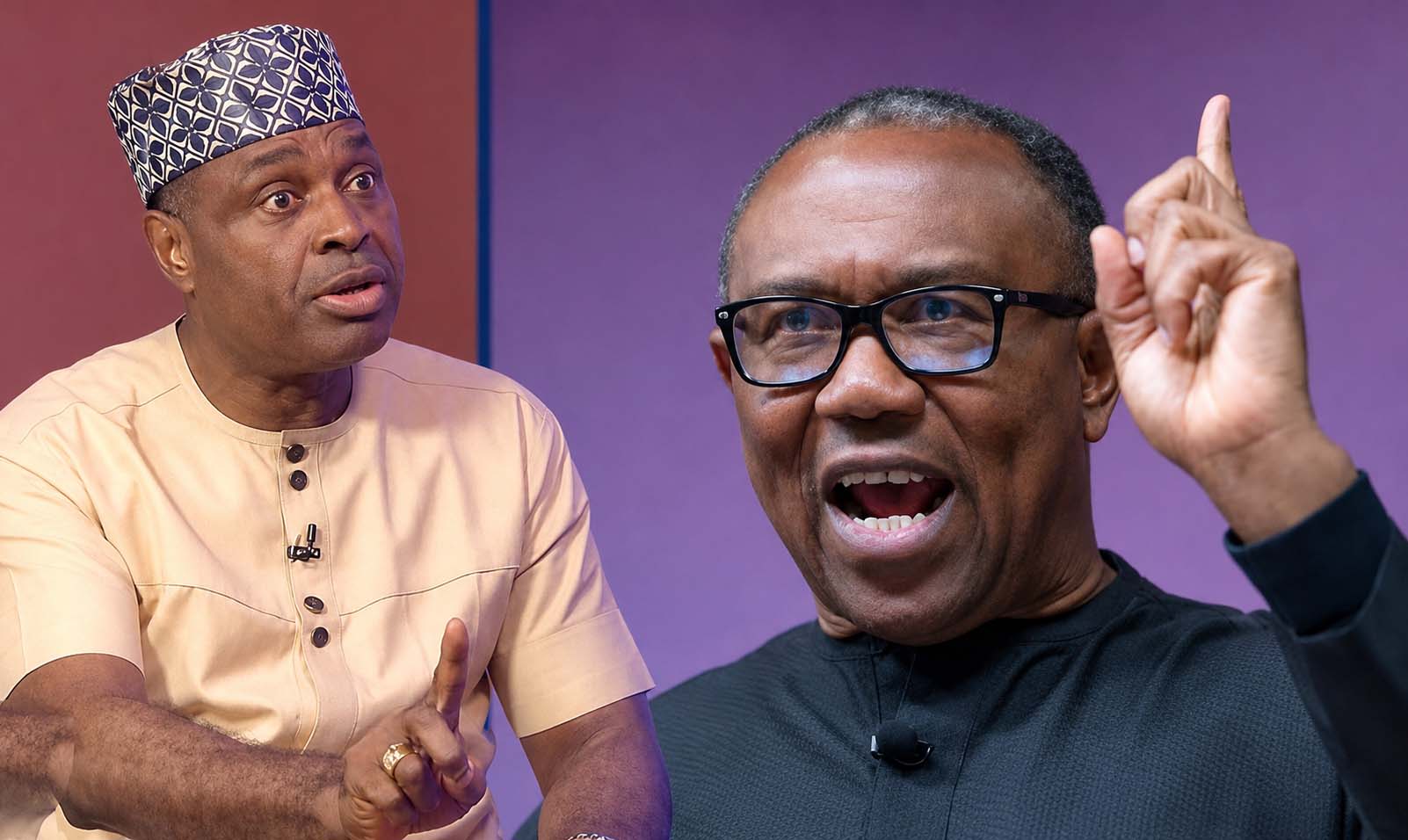
Peter Obi Under Fire as Critics Accuse Him of Double Standards Over Call for NDC Aspirants to Accept Controversial Primaries
'Look Beyond Today's Process' Remark Triggers Debate Over Consistency of Obi's Long-Standing Political Principles
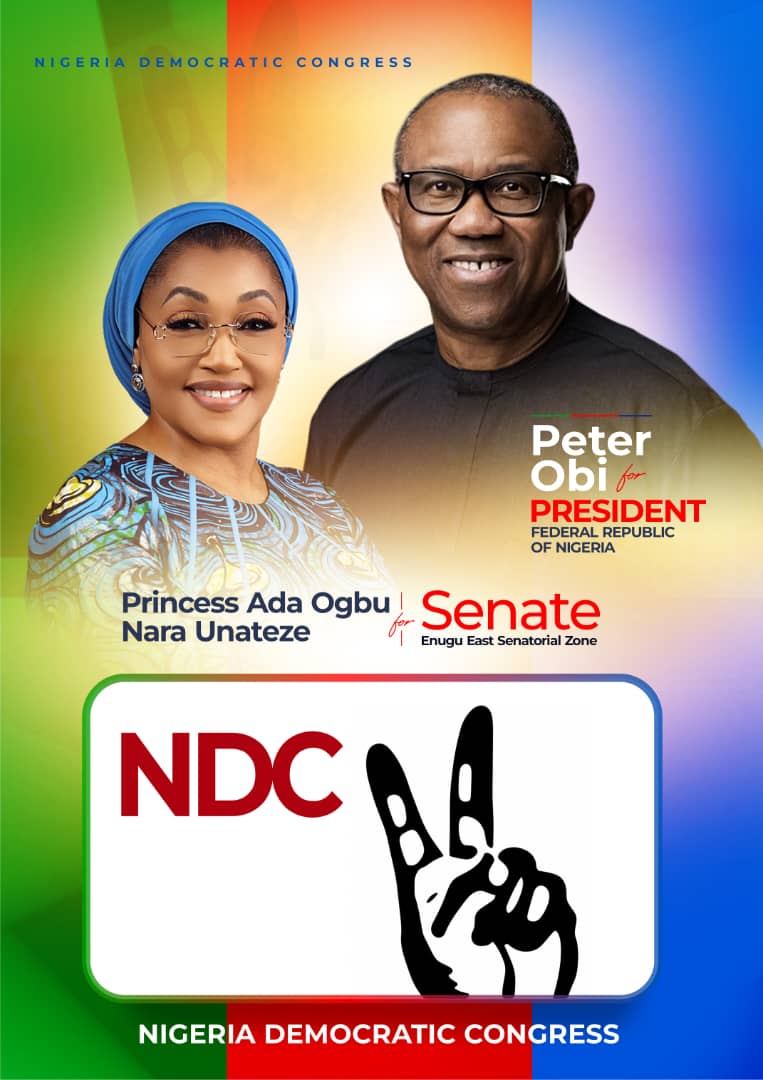
Former Labour Party presidential candidate, Peter Obi, has come under intense criticism following remarks urging aggrieved aspirants of the Nigeria Democratic Congress (NDC) to accept the outcome of the party’s recent primary elections despite complaints about alleged irregularities.
The comments, which were intended as a call for unity and reconciliation within the party, have instead ignited a fierce debate across political circles and social media, with critics accusing the former Anambra State governor of abandoning the very principles that made him one of Nigeria's most celebrated opposition figures.
Speaking during a gathering of party members and aspirants dissatisfied with the outcome of the NDC primaries, Obi appealed for patience, sacrifice, and understanding, stressing that the party was still in its formative stage and needed collective commitment to survive its early challenges.
According to him, the party had achieved significant milestones within a short period, including conducting conventions and primary elections, despite being relatively new and still building its structures.
“For the party, mine is to most sincerely join and continue to appeal for sacrifice,” Obi said. “If you consider that this party is about 90 days old and within these 90 days, we have gone through convention, through primary to another special convention like this. It is not easy.”
The former presidential candidate urged party members to focus on the future rather than becoming consumed by present grievances.
“Please, I am begging all of us to be able to be more tolerant, understanding, and sacrifice as we go through this. It is important that we look at tomorrow. Let’s not be preoccupied by the process of today; let us look at tomorrow.”
Obi also emphasized the importance of party cohesion, describing party supremacy as a key principle that would guide the organization if it eventually formed a government.
“When we are opportune to form government, we will show that party is supreme, that party is in control and we have a sense of accommodation for those of you,” he said.
Seeking to reassure disappointed aspirants, Obi promised that those who lost out in the current process would not be abandoned.
“Those who did not win today will win tomorrow. We will accommodate everybody. It is a party that people will see what it means to be caring and accommodating when we have the opportunity.”
Backlash Over Perceived Contradiction
However, the remarks have generated significant backlash, with political observers and critics arguing that Obi’s appeal appears inconsistent with the values he championed during and after the 2023 presidential election.
For many Nigerians, Obi's political rise was built on his repeated insistence that democratic processes must be transparent, credible, and free from manipulation. Throughout the 2023 election cycle, he became a leading voice against electoral malpractice and repeatedly argued that legitimacy in governance could only come from a fair and credible process.
His famous assertion that anyone who wished to be addressed as “His Excellency” must emerge through an “excellent process” became one of the defining slogans of his campaign.
Following the declaration of President Bola Tinubu as the winner of the 2023 presidential election, Obi strongly rejected the outcome, insisting that the process was flawed and promising to challenge the results through legal means.
At the time, he argued that the integrity of the process was just as important as the final outcome, a position that resonated strongly with millions of supporters who rallied behind his message of accountability and electoral reform.
Adding to the controversy is the fact that Obi himself left the Peoples Democratic Party (PDP) in 2022 shortly before its presidential primary election, citing concerns over the party's internal processes and direction.
His departure from the PDP and subsequent move to the Labour Party were widely interpreted as a rejection of entrenched political practices and internal arrangements that many Nigerians viewed as unfair or predetermined.
Critics now argue that by urging NDC aspirants to overlook alleged shortcomings in the party's primary process for the sake of unity, Obi appears to be advocating the same political tolerance he once rejected.
Political commentators have questioned whether his latest position represents a pragmatic attempt to preserve party stability or a departure from the principles that helped define his political identity.
Despite the criticism, Obi’s supporters insist that his comments have been misinterpreted.
According to them, the former governor was not endorsing electoral irregularities but rather encouraging members to prioritize the broader goal of building a viable political platform capable of challenging Nigeria’s dominant parties.
Supporters argue that every emerging political movement experiences growing pains and internal disagreements, and that Obi's appeal was aimed at preventing divisions that could weaken the party ahead of future elections.
They maintain that seeking unity after a contested primary does not necessarily contradict advocating for electoral reforms and transparency.
The controversy comes at a critical moment for Peter Obi and the NDC as they seek to consolidate support and establish themselves as a credible political force.
With internal disagreements threatening to deepen divisions within the party, Obi now faces the delicate task of balancing calls for party unity with the expectations of supporters who view him as a symbol of principled politics and institutional reform.
Whether his appeal will succeed in calming tensions or further fuel accusations of political inconsistency remains to be seen. What is clear, however, is that the debate has reopened fundamental questions about the relationship between political pragmatism and political principle—questions that may shape both Obi’s legacy and the future direction of the party he is helping to build.
We keep you informed and involved with anything from breaking news to thought-provoking opinion articles.