Explosions heard all over Iran as US strikes ...... Welcome to Glintnews......
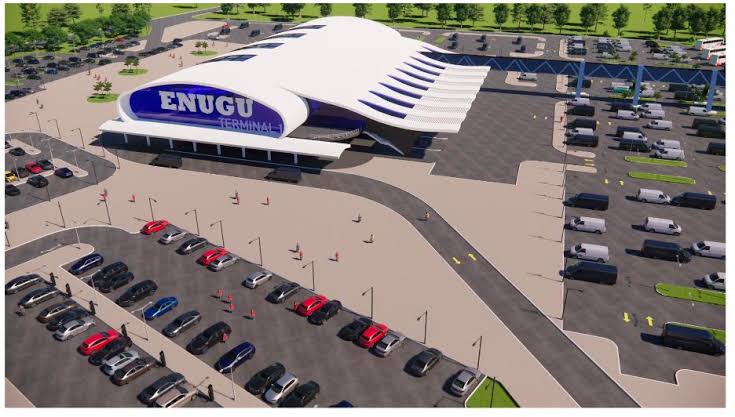
Police Reform in Enugu State and the Emergence of "MOT Banditry"
By Glintnews Citizens Center Unit
It is important to begin by acknowledging and appreciating the significant strides made by the administration of Governor Peter Mbah in strengthening the security architecture of Enugu State. Over the past months, the government has demonstrated a strong commitment to improving public safety through strategic investments in security infrastructure and law enforcement support.
Particularly commendable is the provision of modern patrol vehicles to the Nigeria Police Force, equipped with internet connectivity, surveillance cameras, and other technological tools aimed at enhancing crime prevention and response. Equally noteworthy is the deployment of police personnel to strategic locations across the state, where they maintain vigilance, support law and order, and contribute significantly to the safety of residents and visitors alike.

These reforms have undoubtedly reinforced public confidence in the state's security framework and deserve recognition.
However, while celebrating these achievements, there remains a growing concern that requires urgent attention from the government. This concern relates to the operational methods adopted by some officials of the Ministry of Transport (MOT), whose activities are increasingly generating public complaints and raising serious questions about accountability and professionalism.
Each time one observes the activities of certain MOT officials on the roads, it becomes difficult not to wonder whether the government is fully aware of what appears to be a disturbing pattern of harassment, intimidation, and aggressive enforcement tactics. If the government is aware, the question then becomes whether it intends to wait until a major crisis occurs before taking action rather than adopting proactive measures to prevent such an outcome.
Reports from road users, coupled with personal observations, indicate that some MOT officials allegedly conceal themselves in tinted minibuses and suddenly emerge to apprehend motorists accused of traffic violations. In many instances, these operations are conducted in a manner that appears unsafe and capable of causing panic among road users.
Even more troubling are allegations that motorists are sometimes targeted under circumstances where traffic control infrastructure, particularly traffic lights, is either malfunctioning or completely non-functional. Such situations create confusion for drivers and raise legitimate concerns about the fairness and legality of enforcement actions.
Beyond road interceptions, concerns have also been raised regarding the conduct of some officials stationed at motor parks and bus terminals across the state. According to several commercial drivers, these officials often appear more focused on the collection of levies and revenue-related activities than on promoting traffic discipline, transportation safety, and compliance with existing regulations.
Many stakeholders within the transport sector have questioned whether the original mandate of the Ministry is gradually being overshadowed by practices that place financial collections above public service and regulatory oversight.

Of particular concern is the recent expansion of these operations onto federal highways within and around Enugu State. This development introduces an important legal question that deserves public clarification: Does the law empower officials of the Ministry of Transport to enforce traffic regulations on federal roads?
The answer to this question is critical, not only for motorists but also for ensuring that all government agencies operate within clearly defined legal boundaries.
Locations frequently associated with these operations reportedly include the junction connecting Golf Estate to the Enugu-Port Harcourt Expressway, as well as the RCC Junction leading to the Enugu-Onitsha Expressway. Observers have noted that weekends and public holidays appear to be preferred periods for such enforcement activities, resulting in increased encounters between officials and road users.
These developments naturally raise further questions.
Is the Honourable Commissioner for Transport aware of these activities?
If he is unaware, then urgent investigation and intervention are necessary to ascertain the true nature of these operationsJ and address public concerns. If, on the other hand, he is aware, then immediate corrective measures should be implemented to ensure that the conduct of MOT officials aligns with the broader vision of Governor Peter Mbah's administration.
The danger of ignoring these concerns is that the actions of a few individuals may ultimately undermine the government's commendable efforts to project Enugu State as an orderly, investor-friendly, law-abiding, and progressive destination.
The administration has invested considerable resources in reforming various sectors of governance. It would therefore be unfortunate if public confidence in those reforms were weakened by allegations of misconduct, harassment, or abuse of authority by officials operating under government institutions.
More importantly, there is a need to address these concerns before they escalate into situations that could lead to avoidable road accidents, injuries, public confrontations, or even loss of life. Responsible governance requires not only reacting to crises but anticipating and preventing them.
As the popular saying goes, we should make hay while the sun shines.

This opinion is offered in good faith by concerned citizens who desire a transportation system that is efficient, lawful, transparent, and respectful of the rights and dignity of all road users in Enugu State. Constructive criticism remains an essential component of democratic governance, and addressing these concerns now may ultimately strengthen, rather than diminish, the reforms already underway in the state.
The government has shown that it possesses both the vision and capacity to transform Enugu State. The challenge now is ensuring that every institution and official operating under that vision reflects the same standards of professionalism, accountability, and respect for the rule of law.
We keep you informed and involved with anything from breaking news to thought-provoking opinion articles.