Explosions heard all over Iran as US strikes ...... Welcome to Glintnews......

Xenophobic Tensions Escalation: First Batch of 262 Nigerians Flee South Africa, Arrive Lagos Amid Rising Anti-Immigrant Attacks
June 11, 2026
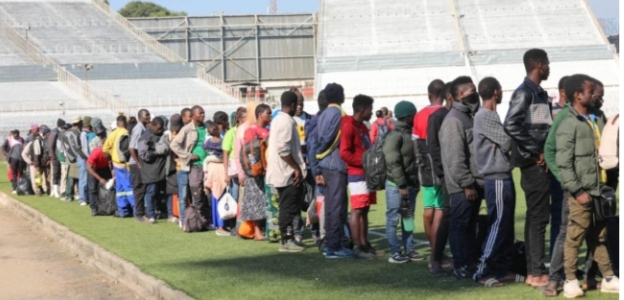
The first batch of 262 Nigerians voluntarily evacuated from South Africa amid growing xenophobic tensions is expected to arrive in Lagos, marking a significant development in the Nigerian government's efforts to protect its citizens facing hostility abroad.
The evacuation follows weeks of mounting fear and uncertainty among Nigerian communities in South Africa, where anti-immigrant campaigns and rhetoric have intensified, sparking concerns over the safety of foreign nationals.
Speaking on the development, the Federal Government reassured returning citizens that they would be welcomed and supported as they reintegrate into life in Nigeria.
In an emotional message to the evacuees, government officials praised their resilience and determination in the face of adversity, assuring them that their homeland remained committed to their welfare.
"Your nation is waiting to embrace you with open arms. We salute your courage and perseverance during these difficult times. Welcome back to the Motherland," the government stated.
The evacuation exercise comes against the backdrop of increasing anti-foreigner sentiment in South Africa, where migrants from several African countries have faced hostility, discrimination, and violent attacks. Nigerians have often been among the most affected groups, alongside migrants from Zimbabwe, Mozambique, Malawi, Ethiopia, Somalia, and other African nations.
Over the years, repeated outbreaks of xenophobic violence in South Africa have left many migrants dead, injured, displaced, or financially ruined after businesses and properties were destroyed by angry mobs. Despite numerous promises by South African authorities to address the problem, concerns continue to grow over the safety of foreign nationals residing in the country.
Human rights groups have repeatedly criticised South African authorities for failing to adequately protect migrants from attacks and harassment. Several reports have also accused some law enforcement officials of profiling, intimidating, and extorting foreign nationals rather than safeguarding them.
The latest wave of anti-immigrant agitation has heightened anxiety among Nigerians living in South Africa, prompting many to seek assistance from the Nigerian government to return home before the situation deteriorates further.
Observers note that South Africa's persistent economic challenges, including high unemployment rates, rising poverty levels, and growing social frustrations, have often fueled anti-immigrant sentiments. Critics argue that migrants are frequently used as scapegoats for broader socio-economic problems, diverting public attention from governance failures and structural economic issues.
Meanwhile, the Minister of State for Foreign Affairs disclosed that efforts are also underway to address the plight of Nigerians incarcerated abroad. According to the minister, she is currently in Addis Ababa, Ethiopia, negotiating arrangements for the transfer of more than 100 Nigerian prisoners serving sentences in Ethiopian correctional facilities back to Nigeria.
The minister revealed that the situation of Nigerian inmates in Ethiopia remains a source of concern, noting that four Nigerians have already died in Ethiopian prisons due to health complications and other circumstances.
She stressed that the Nigerian government remains committed to protecting the rights and welfare of its citizens wherever they may be, while continuing diplomatic engagements aimed at ensuring their safety and dignity.
As the first group of evacuees prepares to touch down in Lagos, the development serves as a stark reminder of the challenges faced by many African migrants seeking opportunities beyond their home countries. It also reignites conversations about African unity, migration policies, and the urgent need for stronger protections for migrants across the continent.
For the hundreds of Nigerians returning home, the journey represents not only an escape from fear and uncertainty but also the beginning of a new chapter—one filled with hope, resilience, and the opportunity to rebuild their lives in their homeland.
We keep you informed and involved with anything from breaking news to thought-provoking opinion articles.