Explosions heard all over Iran as US strikes ...... Welcome to Glintnews......
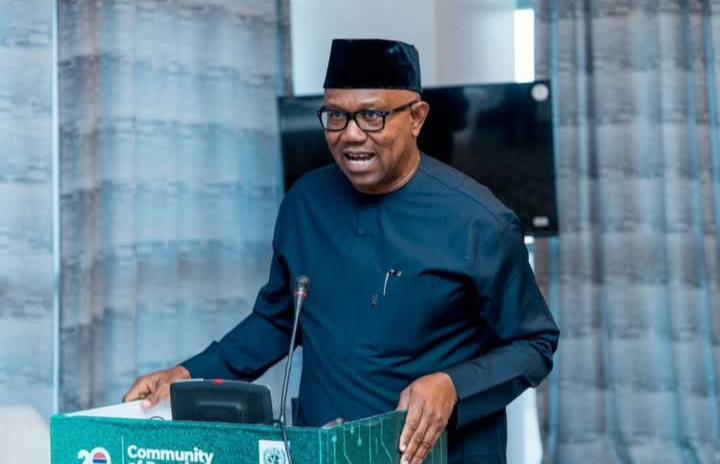
‘Elections Are Rigged Because Nigerians Allow It’ — Peter Obi Blames Voter Apathy, Demands Citizens Defend Their Votes
June 13, 2026
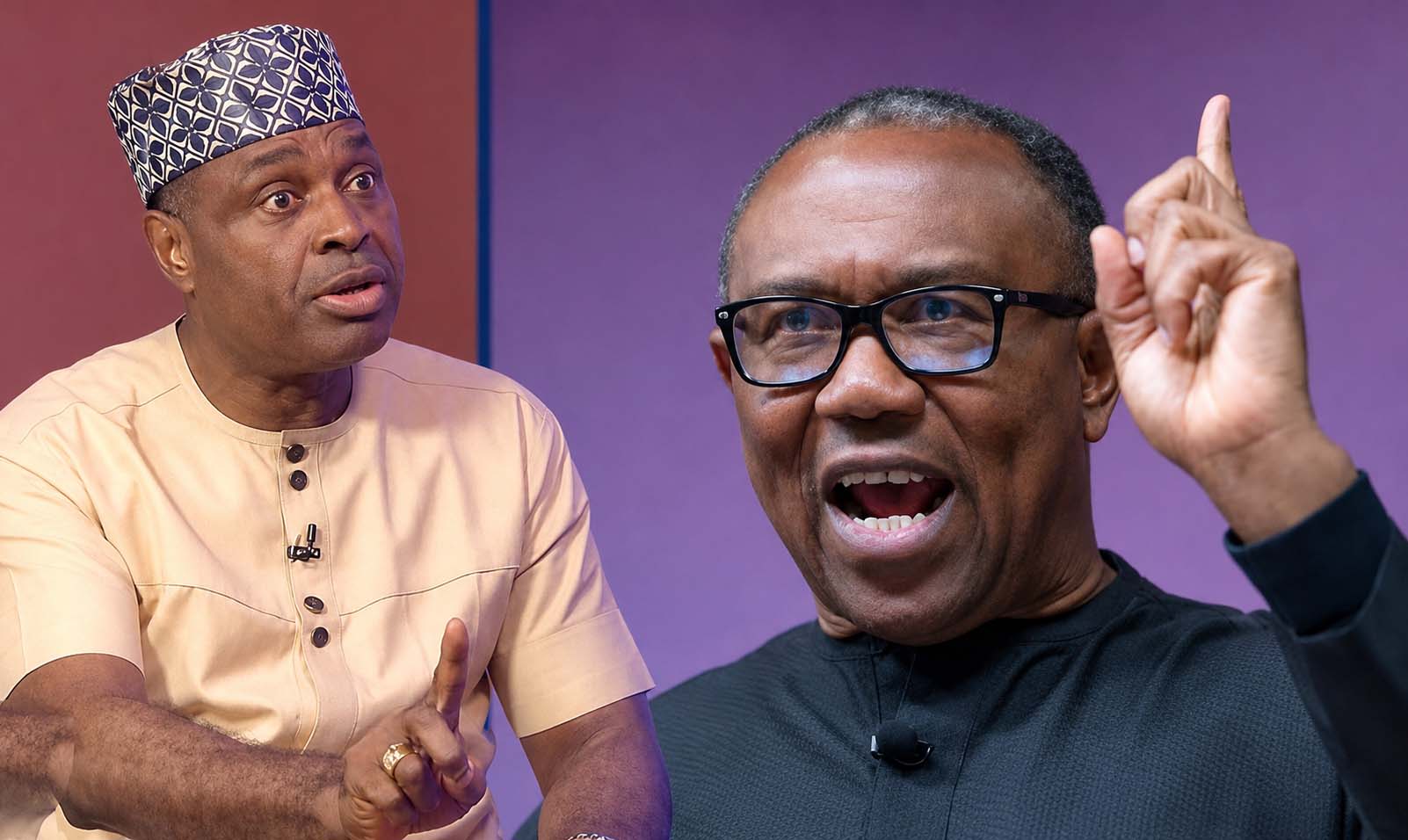
Former Labour Party presidential candidate and ex-Anambra State Governor, Peter Obi, has sparked fresh debate about the state of Nigeria’s democracy after declaring that elections in the country are often manipulated because citizens fail to take ownership of the electoral process and actively defend their votes.
Obi made the remarks during a recent visit to Washington, D.C., where he addressed Nigerians and other stakeholders on the challenges confronting the nation’s democratic system. A video of his comments began circulating widely on social media on Saturday, attracting significant attention and reactions from supporters and critics alike.
Speaking candidly about the recurring controversies that trail elections in Nigeria, Obi argued that politicians alone cannot guarantee credible elections unless voters themselves are determined to protect the sanctity of the ballot.
According to him, the widespread perception that elections are routinely rigged is sustained by the failure of citizens to remain vigilant throughout the voting and vote-counting process.
“Elections are rigged in Nigeria because Nigerians want it to be rigged. It’s as simple as ABC,” Obi said.
“I will do whatever is possible to protect the votes, but unless Nigerians decide that their votes will count, it will not count.”
The former governor stressed that meaningful electoral reforms and democratic progress cannot be achieved solely through the efforts of candidates, political parties, or electoral bodies. Rather, he insisted that citizens must recognize their responsibility as key stakeholders in the democratic process.
Obi urged Nigerians to abandon the culture of leaving polling units immediately after casting their ballots. Instead, he encouraged voters to remain at voting centres until the counting and collation process is completed.
He maintained that active citizen participation at polling units would significantly reduce opportunities for electoral malpractice and manipulation.
“If you vote and you stay in your polling booth and say that the votes must be counted here, it will be counted,” he said.
The former presidential candidate lamented what he described as a transactional political culture in Nigeria, arguing that many citizens fail to identify the root causes of the country’s challenges.
According to him, some voters participate in elections but do not follow through by ensuring that their votes are properly counted and recorded.
“Because our politics is transactional, the average Nigerian doesn’t know who is his problem,” Obi stated.
“An average Nigerian will vote and then go home or go to night vigil, whilst his night vigil should actually be to stay and let them count his votes.”
In a statement that drew laughter from some members of his audience, Obi criticized the tendency of some Nigerians to rely solely on prayers while neglecting civic responsibilities.
“He will vote and go to night vigil on Saturday and start praying because he thinks he is the only one that God created, that God will solve all his problems,” he said.
Beyond electoral concerns, Obi reiterated his long-held position that Nigeria’s biggest challenge is poor political leadership.
He argued that the country is richly endowed with human and natural resources and possesses all the ingredients necessary for economic prosperity and national development.
According to him, the failure to translate these resources into tangible benefits for citizens is largely a consequence of ineffective leadership and poor governance.
“The question you all should ask yourselves today is: What is the problem of Nigeria?” Obi asked.
“Nigeria has only one problem — leadership. Political leadership. Every other thing God gave to Nigeria.”
The former governor further claimed that Nigeria is potentially one of the most blessed nations in the world and possesses advantages that many developed countries do not have.
“I can tell you that Nigeria is more blessed than this country,” he said while speaking in the United States.
“So, if Nigerians know that their problem is leadership, they will address it and insist on getting good leadership.”
Obi concluded by emphasizing that the responsibility of safeguarding democracy should not be left to politicians alone.
He called on Nigerians, particularly young people, to become more involved in the electoral process, monitor elections closely, and demand accountability from elected leaders.
According to him, lasting change will only occur when citizens collectively insist on transparency, credible elections, and responsible governance.
His comments come amid ongoing national conversations about electoral credibility, voter participation, and the future of Nigeria’s democracy ahead of future electoral contests.
As reactions continue to trail his remarks, Obi’s message underscores a recurring theme in Nigeria’s political discourse: that the strength of democracy ultimately depends not only on institutions and politicians but also on the willingness of citizens to actively defend their votes and hold leaders accountable.
We keep you informed and involved with anything from breaking news to thought-provoking opinion articles.