Nigeria to Battle DRC today by 8:00Pm......
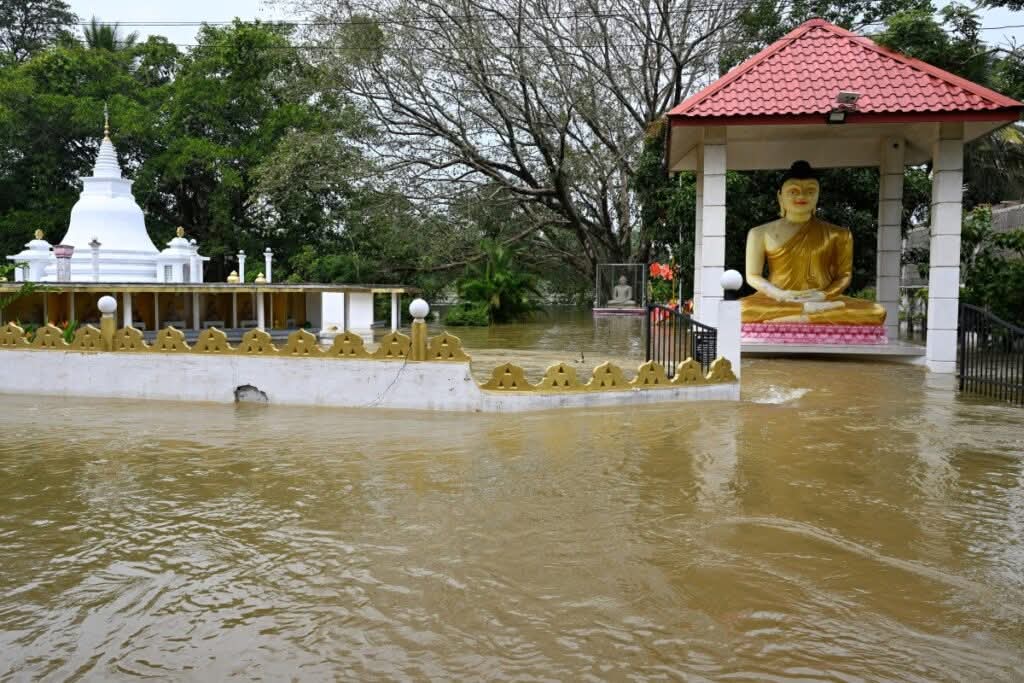
Catastrophic Asia Floods Claim Over 1,200 Lives as Nations Race Against Time to Rescue Millions
2nd December 2025
The catastrophic floods sweeping across parts of Asia have claimed more than 1,200 lives, leaving a trail of destruction across Indonesia, Sri Lanka, Thailand and Malaysia. Governments and aid groups are rushing to reach hundreds of thousands of displaced people who are stranded without access to food, clean water or medical support. The unfolding humanitarian disaster, triggered by relentless monsoon rains and aggravated by two powerful tropical cyclones, has been described as one of the deadliest weather events to hit the region in years.

The rains were intensified by climate change, which scientists say is increasing the frequency and severity of extreme weather events. Warmer oceans help storms gather more strength, and a warmer atmosphere carries more moisture, resulting in heavier rainfall. Over the past week, the combined effects of persistent monsoon downpours and cyclone-driven weather systems submerged towns, uprooted communities, destroyed livelihoods and cut off entire regions from the rest of the world.
Although waters have begun to recede in some areas, the devastation left behind is overwhelming. Vast stretches of land remain uninhabitable, farmlands have been ruined, major roads and bridges have collapsed, and many communities continue to live in makeshift shelters, struggling to find enough food and safe drinking water. In many places, families who fled the rising waters have yet to return home, uncertain of what might be left of their belongings.
In Indonesia’s Aceh province, one of the worst-hit regions, residents described scenes of chaos and growing desperation. Long queues formed at petrol stations as people tried to secure fuel before supplies ran out, with many saying they had already waited for hours. Erna Mardhiah, a 29-year-old resident, said road access was severely disrupted, making it nearly impossible for basic goods to reach the flood-affected communities. She said that panic-buying had set in as people feared shortages, and prices of essential items had skyrocketed beyond what many families could afford. Even basic food items such as chillies surged unexpectedly to almost unaffordable levels, a sign of how stretched the supply chain has become.
The Indonesian government announced it was sending tens of thousands of tonnes of rice and millions of litres of cooking oil to the three hardest-hit provinces—Aceh, North Sumatra and West Sumatra—insisting that every minute counted in preventing a deeper crisis. However, many locals expressed frustration that help had been slow to arrive, particularly in remote communities that are still difficult to access. Alfian, a Banda Aceh resident, said local markets were running out of basic supplies and that many families were relying on donations from neighbours or community groups to get through each day.
Humanitarian organisations have warned that the risk of hunger is escalating rapidly. Islamic Relief said communities in Aceh faced a severe threat of food shortages if major supply lines were not restored within the next week. The group has already sent food shipments aboard Indonesian naval vessels, but the sheer scale of the disaster means far more will be needed in the days ahead. According to Indonesia’s disaster agency, 659 people have been confirmed dead in Sumatra alone, with nearly 500 still missing and more than a million displaced from their homes. Survivors said the floods struck with terrifying speed, describing waves of water that surged like a tsunami. In East Aceh, one resident said the rising waters were “unstoppable” and unlike anything the community had ever witnessed.
The disaster also had a devastating impact on neighbouring Thailand and Malaysia. In southern Thailand, at least 176 people were killed as entire districts were submerged within hours. Malaysia reported further casualties and widespread damage as communities along the northern border attempted to recover from the deluge. Authorities in both countries have been using helicopters and boats to deliver food and evacuate families from isolated areas.
Sri Lanka, meanwhile, is facing one of its worst natural disasters in recent history. Days of intense rainfall triggered deadly flash floods and landslides that have killed at least 410 people. Hundreds more remain missing and feared buried under massive landslide debris. President Anura Kumara Dissanayake declared a state of emergency and appealed for international assistance, calling the situation unprecedented. Rescue operations intensified as the Sri Lankan Air Force, supported by rescue teams from India and Pakistan, airlifted residents trapped on rooftops, hilltops and in remote villages that have become inaccessible by road.
In the capital, Colombo, residents described the flooding as far worse than anything experienced in previous monsoon seasons. Many were caught off guard by the speed at which the waters rose. Even as the city’s floodwaters began to recede, concerns remained high over the safety of returning home, the potential contamination of water sources, and the possibility of further landslides in the central highlands, where soil conditions remain unstable.
In rural parts of Sri Lanka, the devastation is even more stark. Entire villages were swallowed by mudslides, leaving little sign of the homes that once stood there. In one fishing village, dozens of families fled to the roof of a two-storey fish market when the floodwaters rose rapidly and overwhelmed their homes. Days later, they were still battling power outages, damaged communication lines and severe shortages of clean drinking water. Many families have resorted to boiling mud-contaminated water just to have something to drink.
Across the affected regions, health workers are warning of the risk of disease outbreaks. Stagnant water, overcrowded shelters and a lack of sanitation create perfect conditions for illnesses such as cholera, typhoid and dengue fever to spread. Medical teams are urging authorities to prioritise clean water distribution, mosquito control and the restoration of health services before the situation deteriorates further.
Though the rains have subsided in some areas, many communities remain unreachable due to collapsed bridges, washed-out roads and impassable landslide debris. Rescue teams say every passing hour is critical as the window for finding survivors narrows. Helicopters are conducting continuous sorties to drop food parcels, medicine and emergency supplies, but unpredictable weather and damaged airstrips present additional challenges.

As millions struggle with the aftermath, regional leaders and climate experts say the disaster underscores the urgent need for better flood management systems, early warning mechanisms and climate-adaptive infrastructure. For families across Asia who have lost loved ones, their homes and their livelihoods, the road to recovery will be long and painful. Even as floodwaters retreat, the humanitarian crisis is only deepening. The true extent of loss and devastation may not be fully understood for weeks.
We keep you informed and involved with anything from breaking news to thought-provoking opinion articles.