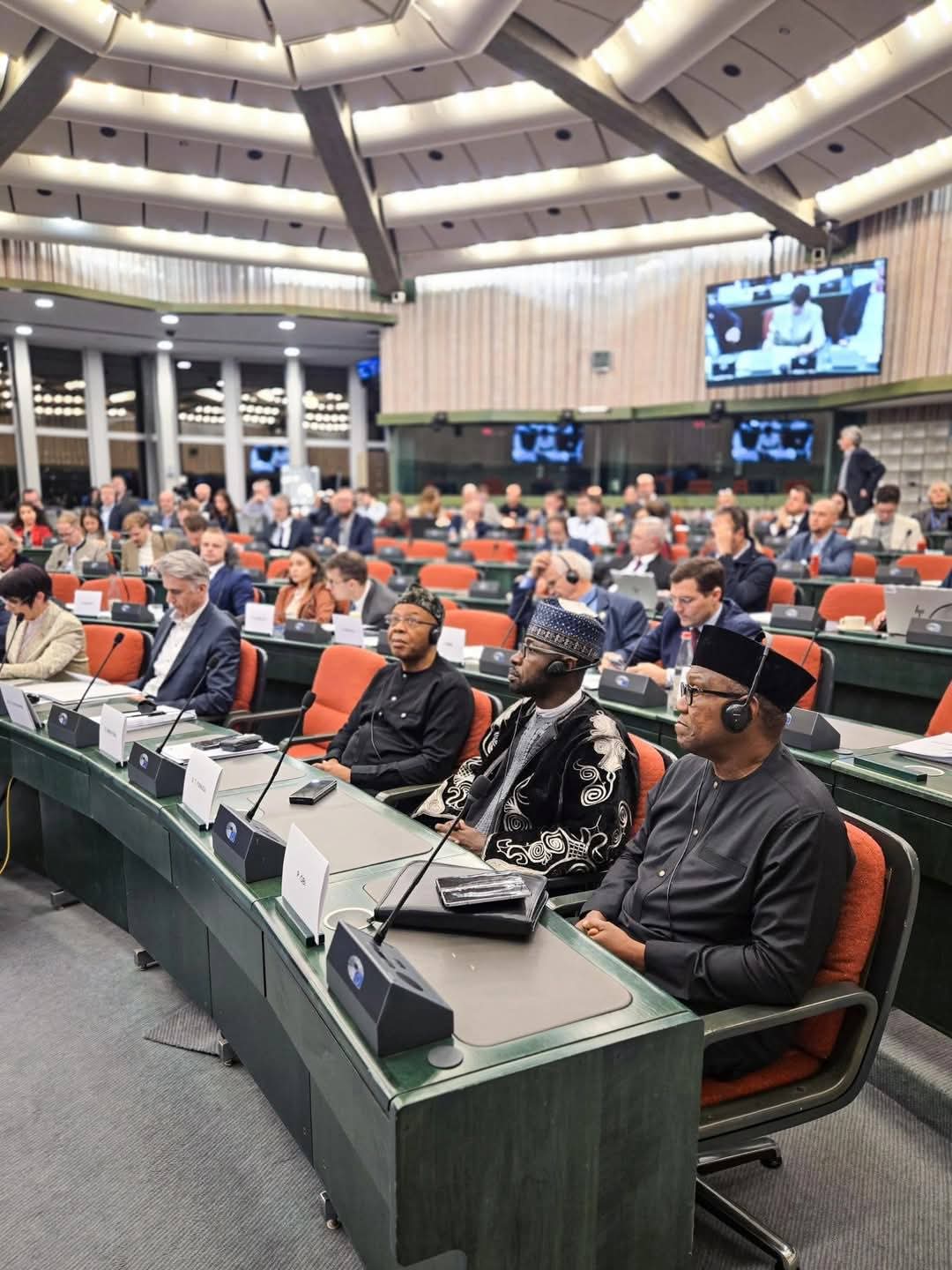
Nigeria to Battle DRC today by 8:00Pm......
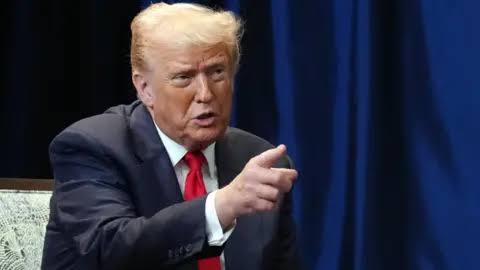
Trump Moves Closer to Labeling Muslim Brotherhood a Terrorist Group Amid Rising Global Security Tensions
The United States is weighing one of its most consequential foreign-policy decisions in years as former President Donald J. Trump announced that “final documents are being drawn” to designate the Muslim Brotherhood as a terrorist organization. The announcement has intensified debate among global security analysts, human-rights organizations, Middle Eastern governments, and political observers who say the decision could reshape international alliances and ignite far-reaching diplomatic consequences.

According to officials familiar with the ongoing discussions, the push gained renewed urgency after several U.S.-based security groups warned that the Muslim Brotherhood’s ideological networks may be expanding their presence and influence inside the country. These organizations argue that the movement’s global offshoots have, over time, produced splinter groups that have adopted radical or violent methods—an issue that has deepened concerns about potential extremist recruitment and ideological penetration.
Within U.S. policy circles, there is growing discussion about whether a formal terrorist designation would strengthen national-security frameworks or complicate diplomatic relations with nations where Muslim Brotherhood-aligned political parties operate legally. Several Middle Eastern countries, including Egypt, Saudi Arabia, and the UAE, already classify the group as a terrorist entity, and they are expected to welcome Washington’s tougher stance. However, other U.S. allies may view such a move as politically sensitive, given the Brotherhood’s participation in some democratic processes across the region.
Analysts suggest that the designation could influence intelligence-sharing arrangements, counterterrorism cooperation, and America’s long-standing relationships across North Africa and the Middle East. Diplomats also warn that the decision could affect domestic civil-society organizations with ideological or historical ties to the movement, even when they operate peacefully and legally.
As U.S. authorities examine the broader implications, global security observers point to rising instability across several regions as part of the context driving Washington’s concern. Conflicts in the Sahel, the Horn of Africa, the Middle East and parts of West Africa have created conditions that extremist groups can exploit for recruitment and propaganda. Western intelligence agencies have also reported that radical organizations continue to spread ideology online, taking advantage of social-media platforms to recruit followers and coordinate activities.
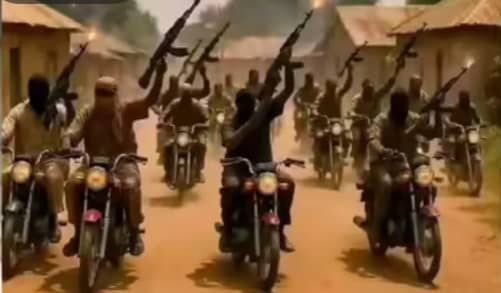
These global developments have placed additional scrutiny on events unfolding in Nigeria, where Christian associations, civil-society groups, and international observers have issued warnings about escalating violence in several states. Some advocacy groups—both within Nigeria and abroad—have accused radical Islamist factions operating in the country of targeting Christian communities. Although these claims remain under investigation and are not universally accepted, they have generated significant alarm, particularly after some international Christian watchdog organizations alleged that elements within these militant groups share ideological similarities with networks linked to the Muslim Brotherhood.
In recent months, several foreign-based advocacy groups petitioned Western governments, including the United States, to monitor the situation more closely. These groups claim that extremist factions, especially in Nigeria’s northern region, have intensified attacks on rural communities. They also allege that inadequate security responses or political inaction have contributed to what they describe as a humanitarian and religious-freedom crisis. Nigerian authorities, however, maintain that they are combating all forms of terrorism without bias and deny any support for extremist organizations.
The controversy surrounding Nigeria has now become part of the wider international conversation about the resurgence of radical Islamist movements and the potential spillover effects into Western nations. Security researchers say the claims—whether fully substantiated or not—are influencing public debate, contributing to calls for stronger global coordination against extremist networks, and increasing pressure on Washington as it deliberates the Muslim Brotherhood designation.
Human-rights organizations in the U.S. and Europe are urging policymakers to proceed with caution, arguing that any broad designation must distinguish between political groups, civil-society organizations, and armed extremist factions. They warn that a sweeping classification could affect peaceful communities, charitable initiatives, and diaspora groups who have no involvement in violence. Civil liberties groups inside the United States have also expressed concern about the possible impact on domestic freedoms, including fears of increased surveillance or stigmatization of Muslim Americans.

Despite these concerns, Trump’s team insists that national security remains the priority and that the review process is nearing completion. While the final outcome is still being assessed by the State Department and intelligence agencies, officials say the decision is likely to have significant international consequences, shaping Washington's counterterrorism posture and potentially redefining how the U.S. engages with Islamist political movements around the world.
As global tension continues to rise—from the Middle East to West Africa and beyond—the world is watching closely. Whether the U.S. ultimately labels the Muslim Brotherhood a terrorist organization could determine the next phase of international security cooperation, religious-freedom advocacy, and counter-extremism strategy for years to come.
We keep you informed and involved with anything from breaking news to thought-provoking opinion articles.