Nigeria to Battle DRC today by 8:00Pm......
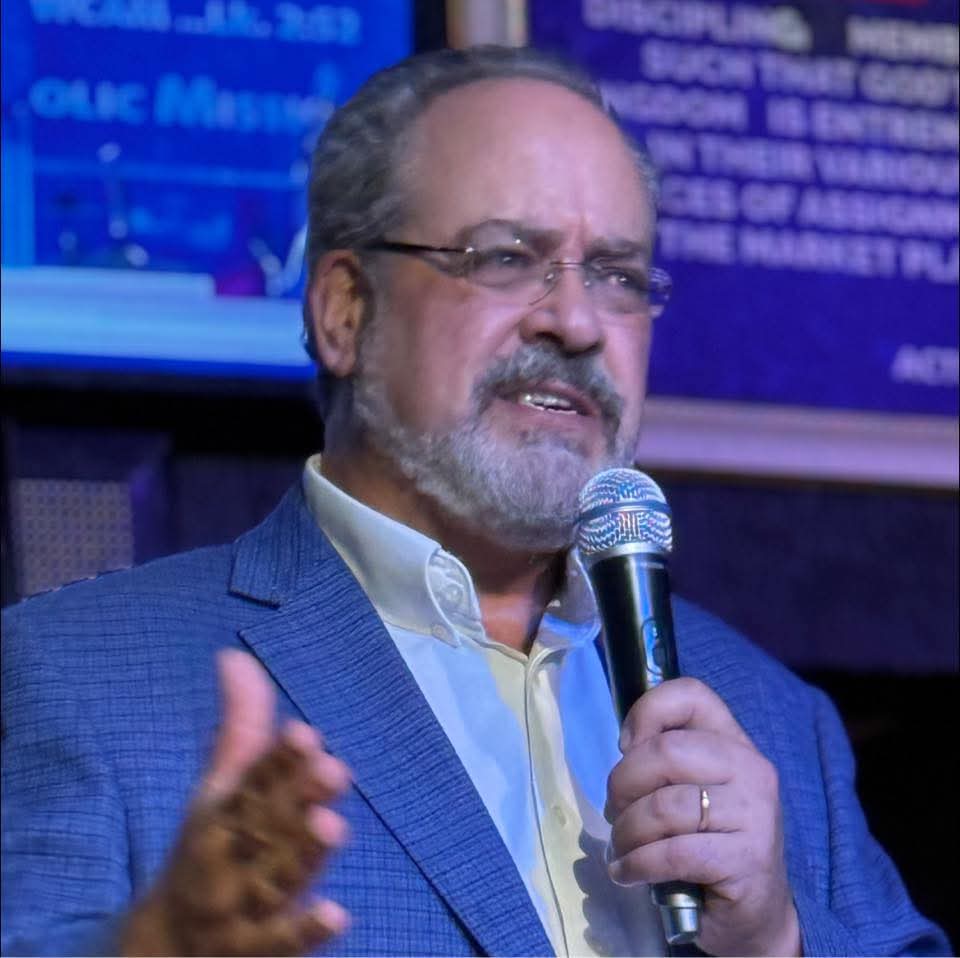
U.S. Must Act Now on Christian Genocide , Mike Anold States New Plans
Abuja, Nigeria — Human rights advocate Mike Anold has issued a forceful appeal to the United States government, urging immediate and concrete action in response to rising concerns about targeted violence, mass displacement, and alleged religious persecution in Nigeria.

The appeal, published on Anold’s verified Facebook and X accounts this afternoon, was also sent directly to a senior official at the U.S. State Department, with whom he confirmed he has been in ongoing communication. According to him, Washington’s recent attention to the situation is welcomed, but he cautioned that sanctions alone would achieve little, warning that Nigerian authorities could “pivot to China” for diplomatic and economic cover if confronted with punitive measures.
Anold stressed that the international community must adopt a more hands-on approach—one that goes beyond statements and instead confronts what he described as a deeply underreported humanitarian emergency.
He urged the U.S. Congress to dispatch an immediate CODEL (Congressional Delegation) to Nigeria to visit what he referred to as denied IDP camps—settlements he claims contain internally displaced people who are not officially recognized by the government. According to Anold, these sites include areas where displaced families are living in dire conditions but remain absent from official records.
He said a delegation should be granted access to these settlements, alleged mass-burial areas, and other locations where abuses have been reported. He believes such a visit would provide lawmakers with first-hand knowledge of the situation, adding that many officials “still don’t grasp the reality on the ground.” Anold said he is prepared to coordinate the visit from the Nigerian side and that several well-known international journalists have expressed interest in accompanying such a mission.
In his message, Anold also warned that the Nigerian government’s longstanding refusal to officially acknowledge certain displaced communities could carry serious legal implications on the international stage. He argued that the intentional neglect and denial of millions of displaced citizens, combined with prolonged lack of assistance, may amount to an actionable case under global human rights conventions.
He described the situation as a “well-documented pattern” that could lead to international charges if independently verified, saying the evidence available to him suggests it could be “an open and shut case.” He insisted this issue is distinct from ongoing insecurity in northern Nigeria and deserves separate scrutiny.
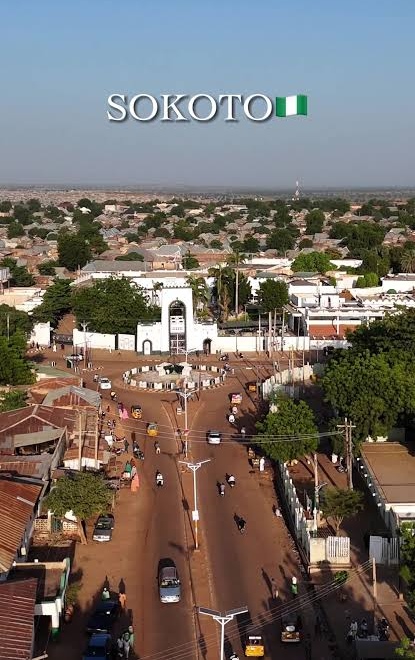
Anold also called for an in-depth international investigation into the Sokoto Caliphate’s leadership, alleging the existence of evidence that could link the institution to coordinated extremist activity. He urged foreign governments to review available intelligence, saying that if the allegations are substantiated, a formal designation as an international terrorist organization may be warranted. Such a classification, he argued, would provide the U.S. and its allies with “much greater tools for addressing the heart of the problem” and would mark a turning point in international engagement with Nigeria’s security challenges.
A major part of Anold’s appeal focused on the enormous population of Nigerians displaced by violence, whom he warned are at severe risk of long-term destabilization. Citing estimates reportedly from Open Doors, he said that as many as two million people may become vulnerable to radicalization by 2030 if global assistance continues to be blocked by the government’s failure to acknowledge their existence. He described the scenario as potentially “apocalyptic,” warning that the humanitarian cost and geopolitical consequences would be far greater if the situation is allowed to deteriorate further.
According to him, formally documenting affected communities would unlock significant international aid that is currently frozen. He argued that if the displaced population were accurately identified and recognized, it would “open the floodgates of funding and political support” from global partners who have so far been hesitant due to inconsistent government reporting.
In a hopeful closing message, Anold emphasized the strength and resilience of ordinary Nigerians, describing the population as “good, hopeful, resilient, faithful and bright.” He insisted that with proper international support and pressure for transparent governance, Nigerians could build a “peaceful, equitable and prosperous nation — a beacon of hope in Africa, and an ally for the ages.”

He warned, however, that the window for meaningful intervention is narrowing rapidly, urging global leaders not to treat the crisis as another distant political dispute but as a matter of urgent human survival.
We keep you informed and involved with anything from breaking news to thought-provoking opinion articles.