Nigeria to Battle DRC today by 8:00Pm......
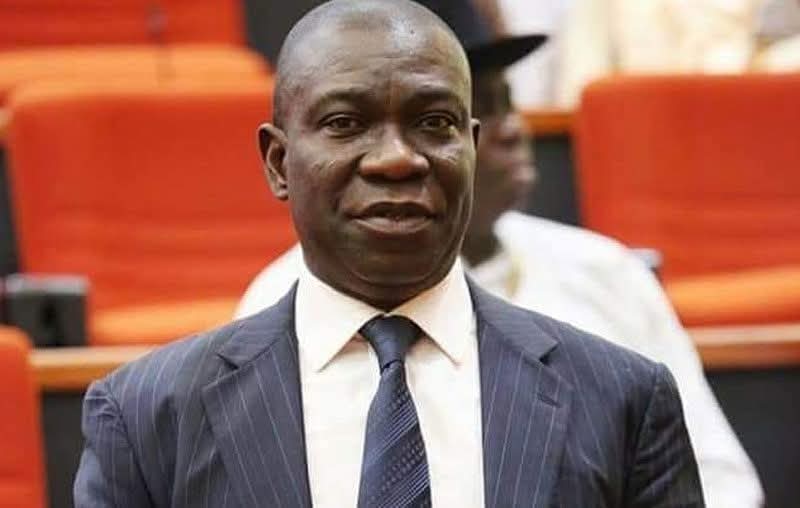
UK GVT REJECTS NIGERIA’S REQUEST TO TRANSFER IKE EKWEREMADU
London, 24th November 2025
The United Kingdom has turned down a formal request from the Federal Government of Nigeria seeking the transfer of former Deputy Senate President, Ike Ekweremadu, to Nigeria to complete his prison sentence. The decision, confirmed by senior UK justice officials, marks a significant diplomatic setback for Abuja after weeks of high-level negotiations and behind-the-scenes lobbying.

The Nigerian government had dispatched a powerful delegation to London, led by Foreign Affairs Minister Yusuf Tuggar and Attorney-General Lateef Fagbemi, in a renewed push to secure Ekweremadu’s repatriation under the existing prisoner-transfer understanding between both countries. The Nigerian envoys held intensive discussions with UK Ministry of Justice officials, presenting assurances that Nigeria was prepared to receive and supervise Ekweremadu’s remaining sentence under its own correctional system.
Despite the high-level engagement, British authorities ultimately rejected the appeal. According to sources within the UK Ministry of Justice, the refusal was anchored on concerns over Nigeria’s ability to guarantee that Ekweremadu would serve the full length of his sentence once transferred. Officials insisted that due to the gravity of the offences for which he was convicted, the interests of justice required that he remain in the custody of the UK prison system until his term is completed.
This development traces back to the widely publicised 2023 conviction in which Ekweremadu, alongside his wife and an associate, was found guilty by a UK court for attempting to traffick a young Nigerian man for the purpose of harvesting his kidney. The case made global headlines and became one of the most prominent modern slavery convictions under British law. Ekweremadu was handed a sentence of nine years and eight months, while his wife, Beatrice, who received a shorter term, has since completed her sentence and returned to Nigeria.
With the UK now shutting the door on the transfer request, discussions in diplomatic circles reflect both disappointment and a sense of frustration. In Abuja, the refusal is expected to ignite a fresh wave of debate. Supporters of Ekweremadu may view the development as an indication of the UK’s unwillingness to show humanitarian consideration, while others argue that the UK’s position reinforces the seriousness of the crime and the global fight against human trafficking and organ exploitation.
The implications of this decision stretch beyond Ekweremadu’s personal fate. It raises broader questions regarding the efficiency and credibility of Nigeria’s correctional system in the eyes of foreign governments. It also underscores the discretion that host nations retain even under prisoner-transfer agreements, especially in cases involving sensitive human rights violations.
As Nigeria absorbs the news, government officials are expected to deliberate on the next steps. There may be renewed diplomatic overtures, appeals, or alternative legal arguments, though observers note that the UK’s stance appears firm and unlikely to shift in the near future. Analysts also suggest that this decision may influence future prisoner-transfer negotiations involving high-profile Nigerians serving sentences abroad.

For now, the UK’s rejection delivers a decisive blow to the Tinubu administration’s efforts and ensures that Ike Ekweremadu will continue to serve his sentence within the British prison system, far from the political and social landscape that once defined his public life.
We keep you informed and involved with anything from breaking news to thought-provoking opinion articles.